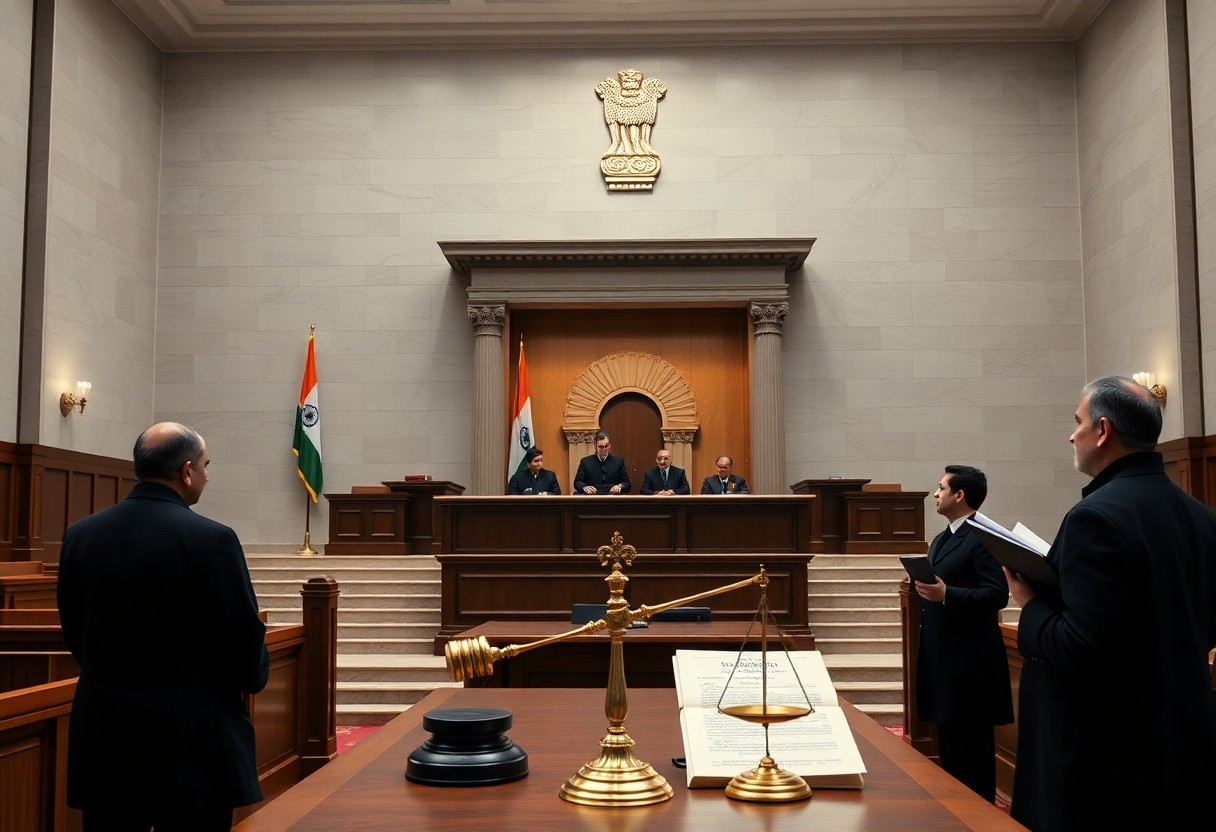
Peace rests on legal mechanisms you can rely on: the International Court of Justice resolves interstate disputes peacefully, issues advisory opinions that shape international norms, and interprets treaties to protect rights; it nonetheless confronts the danger of non‑compliance and weak enforcement, so your awareness of how judgments, diplomacy and legitimacy interact is vital to understanding its role in maintaining global stability.
Key Takeaways:
- Provides binding adjudication between consenting states-settling territorial, maritime, and treaty disputes through legal judgments that reduce the risk of armed escalation.
- Issues advisory opinions and clarifies international law, aiding UN organs and states in interpreting obligations and reinforcing norms that encourage peaceful conduct.
- Possesses limited enforcement capacity: compliance depends on state consent, diplomatic pressure, and UN Security Council involvement, so its effectiveness hinges on political will and international support.
Historical Context of the International Court of Justice
The Establishment of the ICJ
When the United Nations Charter was drafted in 1945, the drafters chose to enshrine a permanent judicial organ as an important mechanism for peaceful dispute resolution; as a result, the ICJ was created as the UN’s principal judicial organ and its Statute was annexed directly to the Charter, making the Court’s foundational rules part of the Charter framework. You should note that the ICJ is the successor to the Permanent Court of International Justice (PCIJ), which operated under the League of Nations from 1922 until the late 1930s, and that many procedural concepts and judges’ approaches carried over into the new Court. You can see the institutional continuity reflected in the Court’s seat at the Peace Palace in The Hague, the organization of judicial elections, and an early caseload that quickly established the ICJ as the focal point for interstate adjudication in the postwar order.
From the moment it began work in 1946 the ICJ’s composition and election procedures were designed to balance legal expertise and geopolitical representation: the bench consists of 15 judges elected for nine-year terms by both the General Assembly and the Security Council, with elections staggered so that one-third of the Court is renewed every three years. You will find that this structure was deliberately calibrated to promote long-term judicial continuity while ensuring states across regions have a voice in the Court’s makeup; practice has shown recurring patterns where major legal traditions-common law, civil law, Islamic law, and others-are represented among the judges. You should also be aware that the early years set a template for the Court’s independence: judges are expected to act in their individual capacity and to interpret international law free from direct political instruction, a principle that has been reinforced by the Court’s procedural rules and its early decisions.
Institutionally, the Court’s early docket established both its strengths and its limits: high-profile cases such as the Corfu Channel case (United Kingdom v. Albania, decided 1949) illustrated the ICJ’s capacity to address issues of transit, sovereignty, and state responsibility while also revealing enforcement challenges because compliance ultimately depends on states and, in extreme situations, the Security Council. You will see from these examples how the ICJ was intended to provide legal clarity and a forum for peaceful settlement, but not to operate as an independent enforcement police; that distinction became a persistent theme in the Court’s history. You should therefore treat the Court’s establishment as the creation of a powerful legal arbiter whose effectiveness has always been intertwined with broader political mechanisms within the UN system.
The ICJ’s Role in the United Nations System
Within the UN family, the ICJ functions as the principal judicial organ, and you should understand that its mandate has two principal aspects: resolving contentious cases between states and providing advisory opinions to UN organs and specialized agencies. You will find that advisory work has had disproportionate normative impact-advisory opinions like the 1996 Legal Consequences of the Threat or Use of Nuclear Weapons and the 2004 Advisory Opinion on the Legal Consequences of the Construction of a Wall in the Occupied Palestinian Territory shaped international debate and influenced subsequent state practice and treaty interpretation. You can rely on the ICJ not only for judgments that settle specific disputes but also for authoritative legal guidance that helps UN bodies interpret complex legal obligations and limits.
The Court’s relationship with other UN organs is formal and procedural: UN organs and specialized agencies may request advisory opinions under the Charter and the Court’s Statute, and judgments in contentious cases are binding between the parties and final, though the Court lacks direct coercive power beyond the Charter mechanisms. You will recognize that Article 94 of the UN Charter provides a route for enforcement via the Security Council, which can recommend or decide measures to give effect to a judgment; however, you should also note that geopolitical realities can blunt this enforcement route-when a permanent member’s interests are implicated, the use of the veto or diplomatic pressure can limit practical implementation. The most important feature to bear in mind is that the ICJ’s authority rests on legal reasoned judgment, while its practical enforcement depends on the political will embedded in the UN system.
Over time you will notice how the Court’s advisory function has been used strategically by the General Assembly and specialized agencies to obtain legal clarity on contentious political issues, thereby shaping UN policymaking without forcing immediate compliance. For example, the General Assembly requested the 2010 advisory opinion on Kosovo’s declaration of independence, which had significant political resonance despite its limited direct legal effect on state recognition. You should also appreciate that the ICJ’s advisory opinions often create momentum for diplomatic, rather than coercive, follow-up measures-states and international organizations frequently cite opinions to justify negotiations, sanctions, or new treaty initiatives.
Evolution of the ICJ’s Jurisdiction
At its inception the ICJ inherited jurisdictional mechanisms from the PCIJ and the UN Charter, but you should track how those mechanisms have been refined, contested, and expanded through practice and case law. Initially, the Court’s jurisdiction in contentious cases rested on consent-either by special agreement, treaty clauses conferring jurisdiction, or unilateral declarations accepting the Court’s compulsory jurisdiction under what is known as the “optional clause.” You will find that only a subset of states has made such optional declarations, and many have entered reservations limiting the types of disputes or the states against which jurisdiction is accepted; this patchwork consent regime has long been a defining feature of the Court’s reach.
The Court’s jurisprudence has gradually broadened the content and application of international law, and this has in turn affected the practical scope of its jurisdiction. You can point to landmark decisions-such as the North Sea Continental Shelf cases (1969), which clarified principles of maritime delimitation, and the Nicaragua v. United States case (1986), which elaborated state responsibility and unlawful use of force-to see how substantive developments have prompted more states to frame treaty dispute settlement clauses that refer to the ICJ. You will also observe an increase in boundary and maritime delimitation cases, particularly in Africa and Europe, where states have increasingly relied on adjudication to resolve legacy colonial boundaries and resource disputes; the Cameroon v. Nigeria (2002) judgment on the Bakassi Peninsula and the maritime delimitation judgments involving Norway and Denmark demonstrate this trend.
Procedurally, the Court has strengthened tools that affect jurisdictional dynamics, such as provisional measures under Article 41 of the Statute and flexible approaches to admissibility and standing; you should note that provisional measures have become a significant means for states to seek immediate protection before a full hearing, with the Court issuing a growing number of such orders in recent decades. You will also see the Court’s evolving evidentiary practices-greater reliance on expert reports, cartographic evidence, and extensive fact-finding-has made adjudication more practicable for technically complex disputes like maritime delimitation and environmental claims. Nevertheless, a persistent limitation remains: state consent and political considerations continue to determine the Court’s workload and the implementation of its decisions.
To add more detail, you should examine the barriers that continue to shape jurisdiction: reservations to the optional clause, reciprocity concerns, and the proliferation of alternative dispute-resolution mechanisms in treaties (such as arbitration and ad hoc tribunals) all influence whether states bring matters to the ICJ. Practical examples include the Hague-based Court being bypassed in favor of specialized fora under the Law of the Sea Treaty or investment arbitration mechanisms; you will find that parties often choose venues based on perceived neutrality, procedural flexibility, or the presence of specialist adjudicators, which in turn affects the ICJ’s caseload composition and its strategic role in settling interstate versus commercial disputes.
Understanding the Structure of the ICJ
Composition of the Court
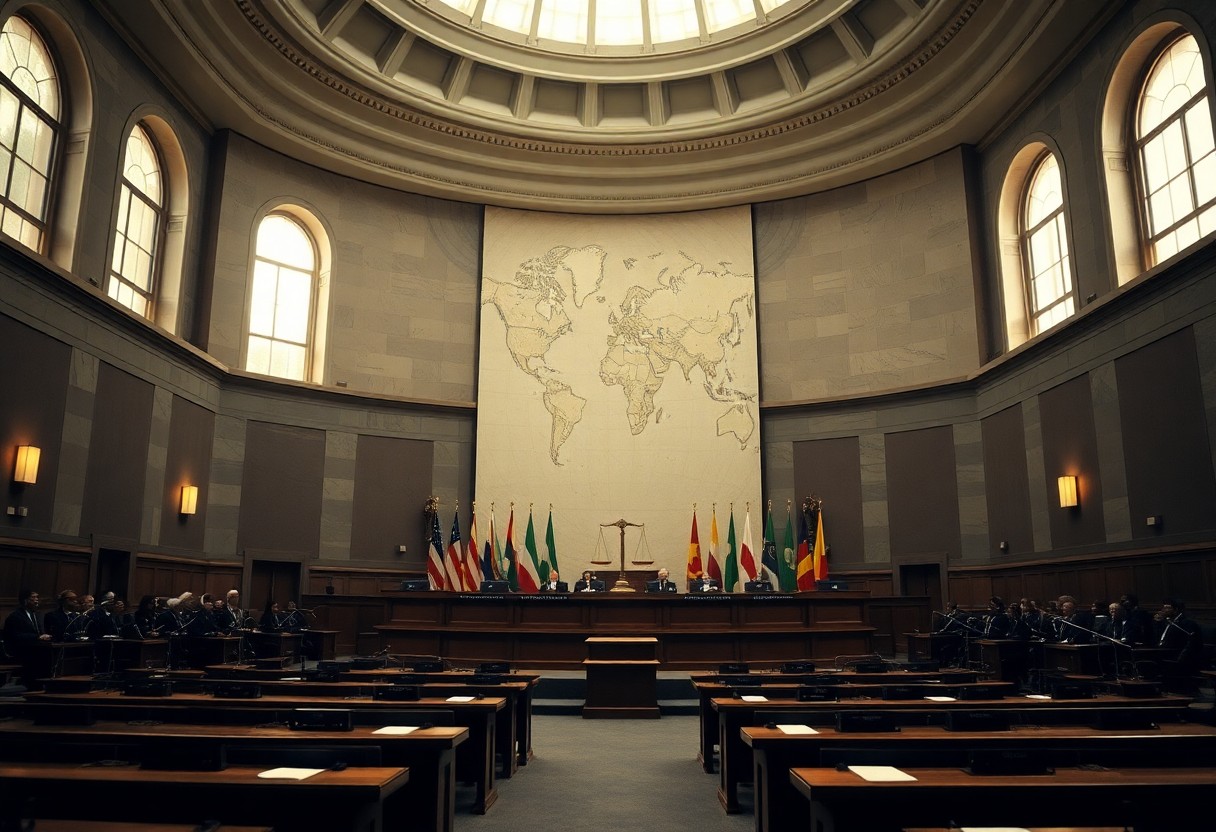
The Court comprises 15 judges elected to serve staggered nine-year terms, with one-third of the bench chosen every three years so that continuity and renewal balance one another; you should note that each judge is elected by both the United Nations General Assembly and the Security Council, which requires separate majorities in both organs and often produces intense diplomatic campaigning by candidate states. Nationals of the same state cannot serve simultaneously as members of the Court, and the Statute requires that judges be persons of the highest moral character and qualify for the highest judicial offices in their countries or be recognized experts in international law. That election mechanism and eligibility framework are designed so you can expect a bench composed of eminent jurists who are formally independent of their states but who nonetheless emerge from national legal and political ecosystems.
Informal regional representation and legal-system diversity shape the composition in practice: Western legal traditions, civil law and common law backgrounds, and representatives from different geographic groups are all visible across successive benches. You will see this reflected in past rosters that included academics, former national supreme-court judges, diplomats, and distinguished practitioners; those varied career paths influence how the bench evaluates evidence, treaty text, and customary-law claims. The presence of jurists who have served as foreign ministers or in high-level diplomatic posts, for example, brings pragmatic treaty-interpretation experience, while academics contribute doctrinal rigour-both elements matter when the Court is asked to resolve complex interstate disputes such as maritime delimitation or state responsibility.
The Court’s composition also anticipates special procedural accommodations: in cases where a state-party does not have one of its nationals on the bench, the Statute allows that state to appoint an ad hoc judge to sit for that case, which means you should be aware of both the protective and the potentially dangerous consequences of that device – it preserves equality of representation but can introduce perceptions of national bias into deliberations. Institutional safeguards, like the requirement that judges sit in their individual capacity and the ability of the Court to form chambers for particular matters, aim to preserve impartiality and efficiency when handling a rising caseload. Practical outcomes of this composition-seen in landmark judgments and advisory opinions-demonstrate how the bench’s makeup, election dynamics, and use of ad hoc judges combine to shape the Court’s jurisprudence and the degree of international acceptance that the Court’s decisions receive.
The Role of Judges and Their Diverse Backgrounds
Judges at the Court perform a range of functions that go beyond rendering the final judgment: they preside over hearings, examine oral and written evidence, question witnesses and experts, and draft majority, separate, or dissenting opinions that become part of the Court’s reasoned record; you will find that these written opinions often serve as persuasive authority for national courts and tribunals long after a case concludes. Their voting power shapes the binding decision in contentious cases between states, and their advisory opinions guide UN organs and specialized agencies. Because the Court’s jurisprudence develops incrementally, the individual reasoning and interpretive methods of judges matter enormously in how you interpret precedent and foresee future legal developments.
Professional diversity among judges-academics, former national high-court judges, seasoned diplomats, and international human-rights experts-affects the Court’s methods of analysis and its sensitivity to different types of evidence. You can see the effect in historical examples: judges with a strong treaty-law background may emphasize textual and teleological approaches in maritime delimitation cases, while those rooted in human-rights adjudication may foreground victim-centric evidence and systemic state obligations. That plural expertise enhances the legitimacy of rulings in the eyes of states and civil society, but it also means that internal deliberations often involve substantive methodological debates that produce richly reasoned but sometimes sharply divided opinions.
Judges must maintain strict independence, yet the appointment process is inherently political, and you should be conscious that external pressures can attempt to influence outcomes; the Court’s oath, the bench’s internal rules, and the tradition of issuing separate opinions are institutional counterweights to these pressures. When you read opinions with lengthy dissents, you are often witnessing professional integrity in action: judges openly record their disagreements while preserving the Court’s overall authority. The interplay between personal expertise and institutional duty has shaped major rulings-from territorial disputes to state responsibility-so your appreciation of any ICJ judgment should account for who sat on the bench and the professional lenses they brought to the case.
More information: the diversity of backgrounds also affects case management roles-some judges take lead responsibility for drafting preliminary outlines, others coordinate documentary review, and several serve on ad hoc or specialized chambers, which demonstrates how practical division of labour among judges leverages their distinct skills to manage complex proceedings efficiently.
The Function of the Registry
The Registry operates as the Court’s secretariat and is fundamental to case administration, procedure, and public transparency; you will encounter its work in every written memorial and in the scheduling of hearings. Headed by the Registrar-who is elected by the Court for a term (commonly seven years)-the Registry receives and records pleadings, manages case files, arranges translations in the Court’s two official languages (English and French), and circulates orders and judgments to parties and to the United Nations. Its logistical and procedural support turns the Court’s legal processes from abstract rules into operational reality, ensuring that filings meet formal requirements and that timetables and evidentiary protocols are observed.
The Registry also plays a key role when the Court deals with urgent measures and complex evidence: it organizes and preserves documentary evidence, coordinates expert testimony and witness statements, and provides the secure channels for confidential materials; in high-profile disputes with voluminous exhibits, the Registry’s case-management staff often build and maintain searchable archives that judges rely on during deliberations. You should note that the Registry also prepares the draft orders for hearings and provisional measures and assists the press office and the Court’s website in publishing official texts, which strengthens the Court’s transparency and the accessibility of its jurisprudence to states, scholars, and the public.
Administratively, the Registry manages the Court’s budgetary and personnel needs while maintaining operational independence from the UN Secretariat; it provides legal research support to the bench, issues practice directions, and liaises with national authorities for service of process and enforcement-related communications. Because the Registry is the institutional memory of the Court, its records, yearbooks, and procedural histories are indispensable tools for practitioners and for you when assessing how similar future cases might be handled. The combination of legal, linguistic and administrative expertise within the Registry is what allows the Court to produce coherent, timely, and authoritative outputs on a global scale.
More information: the Registry also facilitates cooperation with other international courts and tribunals, coordinating requests for evidence or concurrent proceedings, which makes it a hub for inter-institutional legal work and a practical enabler of cross-cutting international adjudication.
Mechanisms of Conflict Resolution
Legal Disputes and Advisory Opinions
You will find the Court’s dual role-deciding contentious cases between states and issuing advisory opinions for UN organs and authorized agencies-defines how you engage with international legal questions. Contentious jurisdiction is predicated on state consent under Article 36 of the Statute, so when two states submit a case the Court proceeds through written pleadings, oral hearings and a reasoned judgment by the bench of 15 judges elected for nine-year terms. Key examples show how that process matters: in Nicaragua v. United States (1986) the Court concluded the U.S. violated obligations under customary international law and treaty commitments and ordered cessation and reparations, while the United States subsequently modified its treaty practice and withdrew from acceptance of the Court’s compulsory jurisdiction, illustrating how legal findings can provoke immediate shifts in state behaviour and treaty practice.
When you study advisory opinions, appreciate that they are formally non-binding but practically powerful: the Court’s 1996 Advisory Opinion on the Legality of the Threat or Use of Nuclear Weapons and the 2004 Opinion on the Legal Consequences of the Construction of a Wall in the Occupied Palestinian Territory shaped UN debate and influenced later judicial reasoning across tribunals. Advisory requests stem from the UN General Assembly or Security Council under Article 96 of the UN Charter (and, with General Assembly authorisation, certain specialised agencies), so you see the ICJ acting as a normative clarifier for the broader UN system. That normative weight means advisory opinions often function as legal guidance that you or your government will treat as authoritative when crafting policy, negotiating treaties, or arguing before other international fora.
Although advisory opinions cannot compel compliance, you should note how the interplay between binding judgments and non-binding advisory guidance strengthens international law overall: contentious cases settle obligations between parties and set precedents, while advisory opinions interpret legal standards that guide many states’ conduct. The Court’s output-whether a judgment ordering reparation or an advisory opinion articulating the scope of humanitarian protections-feeds into treaty interpretation, domestic courts’ jurisprudence, and arbitral decisions, which in turn shapes the expectations that you, as a policymaker or practitioner, must manage when navigating disputes.
Procedures for Case Submission
You initiate a contentious case by filing an application with the Registry, and that filing must identify the parties, the subject matter and the basis for jurisdiction; once the Registrar records the application the Court fixes procedural timetables for written pleadings. The ordinary procedure then advances through a written phase-memorials, counter-memorials and replies-followed by oral hearings before public deliberation by the full bench or a chamber. Provisional measures can be requested at any stage under Article 41 of the Statute to prevent irreparable harm, and the Court has in several high-profile instances (for example, the 1992 case concerning the Aerial Incident or recent maritime disputes) indicated such measures within weeks, showing that you can obtain urgent legal protection even before full trial.
Because jurisdiction depends on consent, you will often rely on one of three routes to bring a dispute: a compromissory clause in a treaty (where parties agreed in advance that disputes fall to the Court), a special agreement or compromis made expressly for the dispute, or an optional-declaration type acceptance of jurisdiction. In practice, many modern disputes arise from specific treaty compromissory clauses-fisheries, boundary delimitations and maritime zone cases are common-and the Court’s docket reflects that trend. The procedural rules also allow for preliminary objections on jurisdiction and admissibility, so you must anticipate jurisdictional challenges that can dispose of a case before merits are heard; the Court’s jurisprudence on preliminary objections (for instance in the Maritime Delimitation series) gives you concrete patterns to rely on when framing your application.
When you prepare a case, expect the timelines to vary greatly: some matters reach judgment within two to three years, while complex boundary or environmental disputes may take a decade because of expert reports, evidence gathering and international consultations. The Rules of Court permit production of documents, expert testimony and submissions from intervening states, and the Registry manages translation into the Court’s two official languages (English and French), so logistical planning-budgeting for experts, costs of translation, and public hearings-is part of any realistic strategy. Only states may be parties, which means you cannot file on behalf of nationals or non-state entities; instead, you must use diplomatic channels and, when needed, combine litigation with sanctions, bilateral negotiation or arbitration to achieve your objectives.
More information: the post-judgment phase offers further procedural tools you can use-requests for interpretation, revision on the basis of newly discovered facts, and applications for the Court to indicate further provisional measures. If you pursue reparation, you can submit a request to the Court to quantify damages or negotiate a separate settlement; should the losing party refuse performance, Article 94 of the UN Charter permits you to bring the matter to the Security Council for further measures, though political realities will shape the outcome.
The Importance of Binding Judgments
You should treat the Court’s judgments as legally authoritative between the parties: under Article 59 of the Statute a decision is binding only on the parties and in respect of the particular case, but that binding effect settles the dispute’s legal questions and creates obligations states must implement. Binding judgments often order cessation of unlawful acts, declaratory relief, and reparations-examples include Corfu Channel (1949) where the Court awarded compensation and directed state obligations, and Nicaragua (1986), where the Court ordered cessation and reparations that the applicant state considered necessary to its restoration of rights. Those decisions carry weight in diplomatic practice because they create a legal baseline you can invoke in negotiations, sanctions regimes, or follow-on arbitration.
Although compliance mechanisms are limited-the Court cannot enforce rulings directly-you can bring non-compliance to the UN Security Council under Article 94 of the UN Charter, which can recommend or decide on measures to give effect to the judgment. In realpolitik terms you must acknowledge the limits: if a permanent member of the Security Council is the respondent or supports non-compliance, a veto can block enforcement, and history shows mixed results; the Nicaragua case revealed how a powerful state’s political choices can undermine implementation even after a clear legal finding. Nevertheless, binding judgments generate reputational and legal costs that frequently change state behaviour over time, particularly through investment risk recalibration, treaty negotiations and increased leverage for victims seeking reparations.
Beyond direct enforcement, you will find that binding judgments shape international law by developing doctrine and clarifying obligations, which benefits your long-term strategy: other courts and tribunals cite ICJ case law, domestic courts adopt its reasoning, and states adapt their conduct to align with established jurisprudence. Decisions on state immunity, maritime delimitation, and genocide obligations have had cascading effects-altering treaty drafting, prompting legislative reforms, and influencing diplomatic practice-so when you leverage an ICJ judgment you gain both immediate legal relief and a durable instrument for shaping future state conduct.
More information: enforcement also relies on political and non-judicial levers you can deploy-targeted sanctions, trade measures, and international arbitration tied to the judgment-and monitoring mechanisms such as follow-up reports to the Security Council or General Assembly increase pressure on non-compliant parties; you therefore need a combined legal-diplomatic plan to translate a favorable judgment into effective change.
The ICJ’s Influence on International Law
Development of Customary International Law
When you evaluate how customary international law emerges, the Court’s methodology provides the practical roadmap: the ICJ consistently looks for both widespread and representative state practice and accompanying opinio juris – the belief by states that a practice is legally obligatory. The landmark North Sea Continental Shelf cases (1969) crystallized that two-part test, and ever since the Court has accepted evidence ranging from national legislation and executive practice to diplomatic correspondence, UN General Assembly resolutions, and statements in regional organizations. You can therefore expect the Court to treat divergent types of evidence as complementary rather than hierarchical, assessing frequency, consistency, and the legal character of conduct before concluding that a rule has crystallized.
Specific judgments illustrate how that doctrine affects you as a state actor. In the Corfu Channel case (1949) the Court framed principles of state responsibility for harm occurring in another state’s territorial waters, and in the Nicaragua judgment (1986) it affirmed a customary prohibition on the use of force and on intervention – findings that constrained U.S. conduct and clarified obligations for all states. When the ICJ determines that a practice has attained customary status, the practical consequence is binding normative weight beyond the parties in the case, so your policies and decision-making can be directly influenced even if you were not litigating before the Court.
At the same time, you should weigh the limits and dynamics of customary law as shaped by the Court. The ICJ recognizes doctrines like the persistent objector rule, meaning a state that consistently and openly objects to an emerging norm may avoid being bound by it, and it also gives weight to regional practices and special circumstances when assessing generality. Barcelona Traction (1970) introduced the concept of obligations erga omnes, which the Court has used to identify certain norms – for example, prohibitions on slavery, genocide, and racial discrimination – as having a special status; such classifications can transform soft practice into hard, widely enforceable duties with significant diplomatic and legal consequences for your state.
Interpretation of Treaties
You will see the ICJ rely heavily on the Vienna Convention on the Law of Treaties (1969) when construing treaty texts, repeatedly invoking Article 31’s general rule of interpretation: treaties must be read in good faith according to the ordinary meaning of their terms in context and in light of their object and purpose. The Court routinely supplements that approach with Article 32 tools – travaux préparatoires and supplementary means – where ambiguity persists; for instance, the ICJ made extensive use of contextual evidence and preparatory work in the Kasikili/Sedudu Island case (1999) to resolve competing geographical and historical interpretations of treaty language between Botswana and Namibia.
Concrete case law shows how treaty interpretation changes states’ obligations in practice. In Avena (Mexico v. United States, 2004) the Court interpreted the Vienna Convention on Consular Relations to conclude the United States had breached its obligations by denying consular access – a decision that compelled reconsideration of domestic criminal procedures in dozens of cases. Similarly, in the Application of the Convention on the Prevention and Punishment of the Crime of Genocide (Bosnia and Herzegovina v. Serbia and Montenegro, 2007) the Court interpreted the Genocide Convention’s terms to differentiate between direct perpetration, complicity, and a state’s failure to prevent genocide, producing concrete reparatory and preventive consequences for state practice.
Interpretation by the Court also shapes how you should draft and negotiate treaties: the ICJ emphasizes context, subsequent practice, and the treaty’s object and purpose, thereby encouraging parties to record intentions, reservation statements, and subsequent conduct carefully so those materials can be used as evidence under Article 31(3)(b) and Article 31(4). In effect, the Court’s consistent recourse to Vienna Convention principles makes precise drafting and transparent post-ratification conduct indispensable tools for controlling how your agreements will be read and enforced.
The Court as a Source of Legal Precedents
Although Article 59 of the ICJ Statute states that decisions have no binding force except between the parties and in respect of that particular case, you will observe that the Court repeatedly cites its prior judgments and advisory opinions as persuasive authority. Judges commonly refer to earlier reasoning to ensure consistency; the North Sea, Barcelona Traction, and Nicaragua decisions, among others, are recurrent touchstones that guide the Court’s approach to delimitation, state responsibility, and the formation of norms. That practice creates an informal body of precedent that informs how you and your advisers anticipate outcomes in disputes and draft state practice accordingly.
Beyond the Court itself, other international tribunals, arbitral panels, and national courts routinely draw on ICJ jurisprudence. For example, ad hoc boundary commissions and the International Tribunal for the Law of the Sea have relied on ICJ methods for maritime delimitation; domestic courts in a range of jurisdictions have invoked ICJ pronouncements on diplomatic protection and treaty interpretation to resolve conflicts of law. When you participate in litigation or negotiation, the persuasive power of ICJ reasoning can be decisive: repeated rulings that converge on a principle tend to magnify the Court’s authority across different fora.
In practical terms, precedent from the ICJ enhances predictability and legal coherence for your foreign policy and dispute-resolution strategies, while also carrying limitations: divergent fact patterns, separate opinions, and the limited formal binding effect mean that precedential value can vary case by case. You should therefore treat ICJ jurisprudence as a potent but flexible tool-one that increases your ability to forecast legal outcomes when its reasoning is well-established across multiple judgments, and one whose influence can be attenuated when the Court’s precedents are sparse or internally divided.
As you analyze the Court’s precedential output more closely, note how its long-form judgments and detailed separate or dissenting opinions create a rich interpretive record that others will cite; repeated doctrinal themes – for instance, the Court’s approach to proportionality in use-of-force cases or modes of state responsibility – gain traction when multiple judgments align, amplifying the ICJ’s role as an architect of the international legal order.
The Role of the ICJ in Peacekeeping
Case Studies on Peaceful Resolution of Disputes
When you examine landmark judgments, the ICJ repeatedly demonstrates how legal clarity can substitute for military confrontation. In the 1949 Corfu Channel case (United Kingdom v. Albania) the Court established state responsibility for damages caused by mines, producing a formal compensation route that avoided armed retaliation and set a precedent for maritime safety obligations. You can trace a line from that judgment to later resolutions of maritime incidents: the legal framework the Court affirmed reduced incentives for unilateral use of force in contested straits by making liability and reparations predictable.
By looking at the contentious Nicaragua v. United States judgment (1986) you see how the Court addressed violations of non-intervention and the prohibition on the use of force, ordering remedial measures that framed subsequent diplomatic pressure and UN action. Although compliance was uneven, the ruling provided a binding judgment that international actors referenced in sanctions debates and Security Council diplomacy; that legal reference point helped contain escalation and shaped interstate behavior in the Western Hemisphere for years. You should note how the Court’s findings shifted the conversation from military tit-for-tat to treaty obligations and reparations, limiting political space for armed reprisals.
When you consider the genocide claim in Bosnia and Herzegovina v. Serbia and Montenegro (2007), the Court’s factual and legal findings on Srebrenica – where approximately 8,000 Bosniak men and boys were killed – created a durable legal determination that compelled states and international institutions to act within a legal framework. That determination reinforced criminal prosecutions at the International Criminal Tribunal for the former Yugoslavia and informed preventive diplomacy. You will see a pattern: the Court’s rulings convert violent episodes into legal facts, enabling targeted institutional responses rather than generalized military escalation.
- 1. Corfu Channel (United Kingdom v. Albania), 1949 – issue: maritime mine incident; outcome: State responsibility affirmed; timeframe: case filed 1947, judgment 1949; impact: established liability leading to compensation mechanisms that reduced incentives for naval reprisals.
- 2. Nicaragua v. United States, 1986 – issue: unlawful use of force and support for irregular forces; outcome: Court found violations of non-intervention and ordered cessation and reparations; timeframe: filed 1984, judgment 1986; impact: created a binding legal standard for state conduct in proxy conflicts, shaping multilateral responses.
- 3. Bosnia and Herzegovina v. Serbia and Montenegro, 2007 – issue: allegation of genocide (Srebrenica); outcome: Court found failure to prevent and punish genocide though not direct state perpetration; data point: ~8,000 victims at Srebrenica referenced in findings; impact: reinforced obligations to prosecute and enabled targeted international pressure.
- 4. Cameroon v. Nigeria, 2002 – issue: land and maritime boundary including the Bakassi Peninsula; outcome: sovereignty awarded to Cameroon; timeframe: final judgment 2002, implementation via Greentree Agreement 2006; impact: avoided prolonged cross-border conflict and led to a negotiated transfer of authority.
The Court’s Impact on Global Stability
When you factor in the Court’s procedural and substantive tools, its contribution to stability becomes clear: the ICJ gives you a nonviolent mechanism to settle disputes that might otherwise produce armed clashes. By issuing reasoned judgments grounded in treaties, custom, and general principles, the Court reduces uncertainty about legal entitlements over territory, maritime zones and treaty obligations – uncertainties that frequently drive brinkmanship. You will notice that states more often choose negotiation and compliance when legal outcomes are foreseeable.
Through its decisions the Court shapes state behavior by creating legal precedents and authoritative interpretations of international law that you and other actors can deploy in diplomacy, peace negotiations, and sanctions design. The existence of a standing judicial forum lowers the transaction costs of dispute settlement: instead of mobilizing military resources, states incur litigation and diplomatic expenses that are orders of magnitude smaller and less destabilizing. That predictable channel for dispute resolution tends to de-escalate flashpoints before they widen into regional conflicts.
In practical terms, the Court’s rulings have helped stabilize regions by clarifying boundaries and obligations that previously fueled repeated incidents at sea and along land borders. When you map post-ICJ settlements, you often find a measurable reduction in cross-border incidents, fewer mobilizations, and longer intervals without interstate warfare. The Court’s authoritative pronouncements are therefore a structural stabilizer you can rely on when mediation and bilateral talks stall.
The legal authority you get from the Court also enables third-party enforcement through international institutions: Security Council diplomacy, UN peace operations, and bilateral guarantors all operate more effectively when they can point to a clear legal judgment from the ICJ as the basis for action.
Promoting Adherence to International Norms
When states accept and engage with the ICJ, they submit to a process that reinforces the rule of law at the international level. The Court’s reasoned opinions interpret treaties and customary law in ways that standardize behavior across diverse legal systems, making compliance easier for states that want to avoid international isolation or reputational damage. You will see this effect most clearly where repeated ICJ pronouncements build a body of doctrine on issues like maritime delimitation, state immunity, and the prohibition on the use of force.
By delivering judgments that are public, reasoned, and widely disseminated, the Court creates normative pressure: states face diplomatic costs and legal exposure if they flout the rulings. That dynamic encourages you and your counterparts to internalize international norms because noncompliance carries predictable consequences – ranging from reputational harm to coordinated countermeasures. The ICJ thus acts as both an interpreter and an amplifier of global legal standards.
In contentious areas such as human rights obligations and environmental protection, the Court’s findings inform subsequent treaty practice and domestic adjudication, producing a multiplier effect. When you track developments after major ICJ rulings, domestic courts, regional tribunals, and legislative bodies frequently cite those cases, embedding international norms into national practice and reducing the likelihood that violations will persist unchecked.
More specifically, the Court’s jurisprudence often triggers institutional follow-up – for example, referrals to enforcement bodies, targeted sanctions, or legislative reforms – amplifying the normative impact of a single judgment and encouraging broader adherence to international law.
Challenges Faced by the ICJ
Jurisdictional Limitations
When you examine the ICJ’s reach, the defining constraint is always consent: the Court can adjudicate only where states have agreed to its jurisdiction, either through special agreement, treaty clauses, or the optional declaration under Article 36 of the Statute. This consent principle means that a large number of international disputes never reach the bench because one party declines jurisdiction; you can see this in recurring bilateral disputes where states prefer diplomacy or domestic courts to avoid binding international adjudication. The Court’s separate competence to issue advisory opinions remains valuable, yet those opinions are non-binding and often relied upon for normative guidance rather than direct enforcement.
Although advisory proceedings allow UN organs and specialized agencies to ask legal questions, they do not produce the same compulsory obligation as a contentious judgment between consenting states. You should note that the ICJ accepts only states as parties; individuals, corporations, and international organizations cannot bring claims directly, which leaves enforcement of individual rights and corporate accountability to other fora such as the ICC or arbitration panels. That institutional boundary shapes what you can realistically expect the ICJ to resolve: interstate legal controversies, not every transnational legal grievance.
Because so many states either never accepted the optional clause or have withdrawn it-an example being the United States’ 1986 withdrawal following the Nicaragua litigation-the Court often faces a fragmented jurisdictional map where major powers can place themselves outside compulsory reach. This fragmentation forces the ICJ to rely on case-by-case jurisdictional bases and creative treaty interpretation, often prolonging proceedings through preliminary objections on consent. For you, that means the Court’s capacity to deliver universal, predictable dispute settlement is structurally limited by states’ strategic use of consent.
Non-Compliance by States
When the ICJ hands down a judgment, enforcement depends heavily on political and diplomatic follow-through rather than an internal enforcement mechanism; Article 94 of the UN Charter contemplates Security Council action where a party fails to comply, but in practice that route can be blocked or delayed. You can point to landmark episodes-most prominently the 1986 judgment in Nicaragua v. United States-where the Court found serious violations of international law but the practical outcome was limited because political actors resisted enforcement. The upshot for you is clear: a binding ruling does not automatically translate into action on the ground.
Several judgments have required remedies such as cessation of wrongful acts, reparations, or guarantees of non-repetition, and yet implementation varies widely. Bosnia and Herzegovina v. Serbia and Montenegro (2007) established state responsibility for failure to prevent genocide in Srebrenica; nonetheless, enforcement of associated obligations depended on political will, international monitoring, and domestic cooperation in extraditions and prosecutions. If a state refuses to implement a ruling, the Court’s formal recourse to the Security Council becomes entangled with geopolitics, where a single permanent member’s veto can prevent collective measures to secure compliance.
Because non-compliance raises both legal and practical dilemmas, the ICJ has developed follow-up mechanisms-requests for interpretation, additional proceedings on implementation, and reliance on diplomatic and reputational pressure-but these tools are uneven. You will find that weaker states and those without strong international backing often comply at higher rates due to reputational costs and treaty obligations, while powerful states can sometimes evade or delay compliance with limited immediate consequence. That disparity creates a two-tiered reality where the rule-based order you rely on is more fragile when powerful actors are involved.
More information: remedies for non-compliance include countermeasures by injured states, referral to international organizations, and domestic enforcement where national courts implement foreign court-ordered obligations; nevertheless, these avenues are politically and legally complex, and the absence of a direct enforcement arm means that systemic non-compliance by prominent states poses a severe risk to the Court’s authority.
Political Influences on Court Rulings
Because judges are elected by the UN General Assembly and Security Council and nominations come from national groups, the ICJ bench inevitably reflects geopolitical distribution and legal cultures, even though judges are required to act independently. You will notice that the Court’s 15-judge composition is intended to balance regional representation, yet national perspectives and prior diplomatic experience can shape reasoning, choice of emphasis, and questions judges pursue in separate opinions. That institutional design injects a political dimension into what is formally a legal process.
When high-stakes disputes intersect with major power interests, political considerations often shape case strategy long before the first written pleadings: states may decline jurisdiction, lodge preliminary objections, or use bilateral pressure to avoid adjudication. Examples from Cold War-era cases like Nicaragua, as well as contemporary disputes over maritime boundaries or recognition (for instance, advisory proceedings related to Kosovo in 2010), illustrate how legal claims can be instruments of broader political campaigns. For you, that means the Court’s legal findings are sometimes entangled with diplomatic bargaining and external pressure, affecting both litigation choices and the practical fallout of decisions.
Although the Court strives for jurisprudential autonomy, external power dynamics influence not only who appears before the bench but also how judgments are received and implemented. You should observe that powerful states can shape outcomes indirectly-by refusing participation, withdrawing declarations, or leveraging allies in the UN bodies-so that even meticulously reasoned rulings can be constrained by realpolitik. At the same time, the ICJ’s capacity to produce detailed, persuasive legal reasoning often constrains political actors and provides durable normative arguments that civil society, courts, and other states can deploy.
More information: judicial independence is reinforced by life terms and protections against external removal, yet the Election process and the presence of national legal traditions mean you should expect variation in style and emphasis across judges’ opinions; despite these pressures, the Court’s reasoned judgments frequently become reference points in subsequent diplomacy, domestic litigation, and treaty negotiation, offering a lasting, positive impact on your ability to rely on international law.
The ICJ and Regional Conflicts
Case Studies: Specific Regional Disputes
When you trace how the Court has engaged with localized wars and border tensions, patterns emerge: the ICJ often provides legal clarity where political solutions have stalled, and those rulings can reshape regional balances. For instance, the Bosnia and Herzegovina v. Serbia and Montenegro (2007) decision addressed obligations under the Genocide Convention and concluded that Serbia violated its duty to prevent genocide at Srebrenica; the Court’s findings followed provisional measures first requested in 1993 and culminated in the 2007 judgment that explicitly referenced the July 1995 massacre of roughly 8,000 Bosniak men and boys. You can see how a detailed judicial record-timelines, witness testimony, and documentary evidence-can both document human cost and impose legal obligations on states that directly affect diplomatic leverage and regional reconciliation processes.
Several other cases demonstrate different ways judicial intervention alters local trajectories. The Democratic Republic of the Congo v. Uganda (2005) judgment found Uganda responsible for unlawful use of force and violations of human rights during its occupation (case filed in 1999, judgment in 2005), while the Land and Maritime Boundary between Cameroon and Nigeria (2002) decision produced a definitive delimitation that led to the transfer of the Bakassi peninsula under UN supervision by 2008. These rulings show that whether the Court is addressing allegations of atrocities or delineating borders, its outcomes frequently translate into concrete steps-withdrawals, reparations processes, or supervised handovers-that shape subsequent regional stability. The combination of a legally binding judgment and international follow-up mechanisms often determines whether the decision reduces violence or simply reorders diplomatic positions.
- Nicaragua v. United States (1986) – contentious case filed in 1984, final judgment 1986; Court found multiple violations of non-intervention and ordered cessation and compensation; outcome influenced U.S. policy on compulsory jurisdiction.
- Bosnia v. Serbia (2007) – provisional measures requested 1993, final judgment 2007; Court identified failure to prevent genocide at Srebrenica (≈8,000 victims) and ordered remedial obligations.
- DRC v. Uganda (2005) – filed 1999, judgment 2005; Court held Uganda responsible for unlawful use of force and human rights violations during occupation, prompting reparations proceedings.
- Cameroon v. Nigeria (2002) – judgment 2002, implementation culminated with Bakassi transfer supervised in 2008; legal delimitation reduced cross-border skirmishes.
- Qatar v. Bahrain (2001) – territorial and maritime delimitation, judgment 2001; demonstrated how maritime rulings settle fishing and resource disputes.
- Advisory Opinion: Legal Consequences of the Construction of a Wall (2004) – non-binding opinion issued 2004, but widely invoked in diplomatic forums and UN resolutions regarding occupation and settlements.
Studying these case studies, you’ll notice the interplay between legal pronouncement and political will: some states comply promptly, while others delay or resist implementation, exposing the enforcement gap that temperates the Court’s influence. In situations where the ruling touches on violent conflict, the Court’s findings can have a protective effect-through provisional measures or by clarifying obligations under humanitarian law-but they can also provoke short-term tension when sovereignty-sensitive issues are decided against a state. The longer-term impact depends on follow-through by regional organizations, the UN Security Council, and the respondent state itself.
The Role of the ICJ in Mediation Efforts
Although the ICJ is primarily a judicial body, you’ll find it contributes indirectly to mediation by creating a legal baseline that mediators can use to structure talks. When the Court issues a clear ruling on territory, maritime limits, or treaty interpretation, mediators and special envoys gain a neutral reference point to design confidence-building measures and phased implementation plans. For example, after boundary judgments the parties often enter UN-led technical commissions or bilateral talks to implement delimitation on the ground; that process frequently follows the Court’s timeline and legal parameters, and you can treat the judgment as a framework that limits bargaining space and reduces ambiguity during negotiations.
In practice, the Court’s tools-especially provisional measures and advisory opinions-serve as leverage in mediation by imposing immediate legal constraints or clarifying legal obligations. You should note that provisional measures, while legally binding, are often issued to prevent irreparable harm and can create breathing room for mediators to engage parties without immediate violence. Cases like the measures ordered in the Bosnia proceedings show how early judicial intervention can freeze the worst excesses while political actors attempt mediated settlement. The ICJ itself does not run mediation sessions, but its procedural outputs are repeatedly cited by mediators to pressure compliance or to set minimal acceptable terms.
When you evaluate outcomes, it becomes clear that the Court’s most effective mediation-related contribution is normative: by articulating rights and obligations, it raises the cost of non-compliance and makes negotiated settlements more durable. However, the Court’s impact is limited where state consent is absent or where powerful external actors resist implementation; in those circumstances, mediation requires the additional muscle of regional bodies and the UN to translate legal rulings into enforceable, negotiated agreements. You should therefore consider the ICJ’s jurisprudence as a legal scaffolding around which practical mediation is built, not as a substitute for on-the-ground diplomacy.
More specifically, your mediation strategies gain traction when you combine Court judgments with targeted confidence-building measures-joint demilitarization zones, third-party monitoring, and humanitarian access guarantees-that stem directly from legal findings and minimize the risk of renewed hostilities.
Enhancing Cooperation Between Nations
When you look at how judicial settlement fosters cooperation, the most immediate benefit is predictability: a binding judgment removes legal uncertainty and allows states to plan resource use, border management, and cross-border infrastructure without fearing recurring litigation. In maritime delimitation cases, for instance, adjudication clarifies exclusive economic zones and seabed rights, enabling joint development agreements and fisheries co-management that can be economically significant-sometimes worth hundreds of millions of dollars in resource rents. You’ll find that once you have a clear legal line, states are more willing to invest in cross-border projects and to negotiate secondary arrangements like transit rights or environmental safeguards.
Regional institutions often build on ICJ outcomes to institutionalize cooperation: after a Court decision, you’ll see creation of bilateral commissions, technical working groups, and dispute-resolution clauses that channel future friction into legal processes rather than force. The Cameroon-Nigeria case illustrates this: post-judgment mechanisms and UN-facilitated arrangements reduced bilateral skirmishes and opened pathways for community-level reconciliation. In many regional disputes, cooperation is enhanced when you anchor arrangements in adjudicated rights because vested interests on both sides understand the legal entitlements and limits, which lowers transaction costs for negotiation.
Still, you must account for political realities: legal clarity does not automatically translate into cooperative behavior where domestic constituencies oppose compromise or where elites benefit from ambiguity. The ICJ can nudge cooperation by providing an impartial ruling, but you will often need complementary diplomacy-sanctions incentives, development assistance tied to implementation, or security guarantees-to convert judgments into sustained collaboration. Effective cooperation thus combines the Court’s legal authority with practical incentives and monitoring to ensure compliance over time.
To amplify cooperative gains, you should pair judicial outcomes with regional capacity-building: dispute-resolution training, joint resource assessments, and mechanisms for periodic review that institutionalize peaceful management and reduce the likelihood of relapse into conflict.
The ICJ’s Relationship with Other International Bodies
Collaboration with the United Nations
When you look at formal legal ties, the ICJ is woven directly into the UN’s constitutional fabric: the UN Charter (Article 96) authorizes the General Assembly and the Security Council to request advisory opinions, while the Court’s Statute (Article 65) and the Charter together define that consultative channel. As a result, you see the Court acting as the UN’s principal judicial organ on matters where political organs seek legal clarity; the General Assembly has requested more than two dozen advisory opinions since 1946, producing authoritative interpretations that guide UN policymaking and treaty practice. This formalization means your expectation that the ICJ serves the UN is grounded in treaty text and decades of practice, not merely in informal cooperation.
In operational terms, the interplay is concrete: the Security Council and General Assembly routinely rely on ICJ determinations to shape resolutions, sanctions, and mandates for peacekeeping operations. For example, the 2004 advisory opinion on the Legal Consequences of the Construction of a Wall in the Occupied Palestinian Territory (requested by the General Assembly) directly influenced subsequent UNGA resolutions and diplomatic pressure; similarly, the Court’s opinions on use-of-force and humanitarian law have been cited when the Security Council crafts Chapter VII measures. You should note that the Court’s technical findings-on territorial status, treaty interpretation, or state responsibility-frequently inform the legal frameworks that UN agencies, tribunals, and missions use in the field, from status-of-forces agreements to rules of engagement.
At the same time, you must appreciate the political limits: Article 94 of the UN Charter obliges UN members to comply with ICJ judgments, and Article 94(2) permits a party to bring non-compliance to the Security Council, but enforcement depends on political will. The Nicaragua v. United States case (1986) remains a stark example: the Court found violations of international law, yet practical enforcement was stymied by geopolitical dynamics in the Security Council, demonstrating how a veto-affected Council can blunt judicial authority. Nevertheless, when the UN and the Court align, the result is powerful: ICJ legal clarity plus UN political reach can produce binding mandates, better compliance rates, and enhanced legitimacy for international action-outcomes that directly affect how you interpret the strength of international law.
Interaction with Regional Courts
You encounter regional courts as both complements and competitors to the ICJ: institutions like the European Court of Human Rights (Council of Europe – 47 member states), the Inter‑American Court of Human Rights (Organization of American States – 35 member states), and the African Court on Human and Peoples’ Rights (African Union – 55 member states) handle individual petitions, interpret regional instruments, and develop dense bodies of jurisprudence on human rights and state obligations. Because those courts can issue binding decisions against states that have accepted their jurisdiction, they fill gaps the ICJ cannot address directly-notably individual remedies and systemic human-rights enforcement-so when you examine international dispute resolution as a whole, regional courts provide a practical enforcement mechanism the ICJ lacks for private claims.
Legal cross‑pollination is frequent: the ICJ has cited regional jurisprudence and, in turn, regional courts often reference ICJ principles when addressing state responsibility or treaty interpretation. In cases involving gross human-rights violations or mass atrocities, ICJ judgments on state responsibility and genocide have informed regional reasoning about prevention and reparations. You will see judges and legal advisers drawing on the ECHR’s extensive case law on jurisdictional reach, or the Inter‑American Court’s remedial orders, to refine ICJ analyses-an exchange that raises the overall coherence of international law while revealing differing remedial logics between interstate adjudication and individual protection systems.
Still, tension exists: divergent findings between a regional tribunal and the ICJ can create conflicting obligations for a state, generating difficult choices for your government or legal client about compliance priorities. That danger is particularly acute when a regional court orders immediate provisional measures affecting individual rights while an ICJ judgment addresses broader state responsibility; in such situations, simultaneous obligations can produce legal uncertainty and political risk. The lack of an appellate link between the ICJ and regional courts means you must navigate potential forum shopping and reconcile multiple authoritative but not hierarchically ordered rulings.
More information on this interaction shows that collaboration occurs through informal judicial dialogue-joint conferences, citation of precedents, and academic exchanges-rather than formal hierarchical channels. Judges from regional courts and the ICJ sometimes sit on panels at the Hague or Strasbourg conferences, and comparative methodology (for instance, margin-of-appreciation doctrines versus customary international law standards) informs cross-system borrowing; you can therefore expect gradual harmonization driven by practice, not by institutional subordination.
The Role of Non-Governmental Organizations
You must understand that NGOs operate as amplifiers, evidence‑gatherers, and norm entrepreneurs in ICJ proceedings even though they cannot be parties: the Court’s docket is state‑centric, but NGOs like the International Committee of the Red Cross (ICRC), Amnesty International, and Human Rights Watch regularly provide documentary materials, expert reports, and legal analyses that states rely on in their pleadings. The Court’s procedural rules permit the submission of information by non-state actors in certain contexts-especially advisory proceedings and when the Court exercises discretion to accept amicus‑style materials-so your expectations about NGO influence should be calibrated to their ability to shape factual records and interpretive frames rather than to initiate litigation.
Practical examples illustrate impact: the 2004 Wall advisory proceeding saw dozens of NGOs and specialized agencies submit detailed factual accounts, maps, and legal arguments that the Court referenced in its reasoning; similarly, in interstate environmental or resource disputes, NGOs and research institutions have supplied satellite imagery, scientific assessments, and econometric studies that materially affected delimitation or damage-assessment questions. Because you will often need to construct a persuasive factual narrative, NGOs can provide granular, multiparty documentation-open-source satellite data and NGO fact-finding mission reports-that strengthens a state’s evidentiary case and informs judicial assessment.
Nonetheless, the constraint is structural: NGOs cannot enforce judgments, and their influence depends on states’ willingness to present their materials, the Court’s discretion to admit them, and the political context shaping compliance. When governments resist accountability, extensive NGO documentation may produce international condemnation and domestic litigation leverage, but it may not translate into immediate legal remedies at the ICJ; that limitation means you should treat NGO involvement as a powerful tool for documentation and advocacy rather than a substitute for state consent and political follow‑through. In cases where states are responsive, however, NGO contributions can be decisive in clarifying facts and galvanizing compliance.
More on NGO roles: technological change has amplified their evidentiary value-organizations now deliver geospatial analysis, timestamped open‑source intelligence, and databases that quantify harm (for example, displacement figures and environmental damage estimates) which courts increasingly rely upon. If you are preparing or evaluating an ICJ case, incorporating NGO‑generated data and coordinating with reputable humanitarian or scientific bodies can materially strengthen presentation and public legitimacy.
Public Perception and the ICJ
The Role of Media in Shaping Public Opinion
How the media frames ICJ disputes often determines whether you see the Court as an impartial arbiter or a politicized forum. Major outlets condensed the 1986 Nicaragua v. United States judgment into headlines about U.S. defiance and Cold War geopolitics, which overshadowed the Court’s legal reasoning on the prohibition of the use of force and state responsibility; as a result, many readers absorbed a narrative about power politics rather than the procedural and evidentiary standards the Court applied. When you follow coverage of advisory opinions – for example the 2004 Wall advisory opinion – headlines focused on political fallout more than on the Court’s methodology, and that pattern repeats: legal complexity is simplified into binary stories that appeal to audiences but distort the institution’s work.
Digital and social platforms now accelerate that simplification, and you encounter snippets, memes, and selective quotes long before full transcripts are available, which can harden public impressions in hours. During The Gambia v. Myanmar (filed 2019; provisional measures ordered 2020) the initial social-media narrative centered on emotional testimony and graphic allegations, pressuring states and NGOs to adopt public stances before the Court’s provisional measures and evidentiary thresholds were fully articulated; this demonstrates how misinformation and rapid amplification on social networks can inflame tensions and shape diplomatic responses. At the same time, traditional broadcasters still set the broad frame: outlet editors choose whether to present nuanced legal context or prefer sensational angles – and that editorial choice directly affects whether you leave a story with an informed sense of what an ICJ ruling accomplishes.
Given those dynamics, you should be aware that media literacy becomes part of how the ICJ’s legitimacy is built or eroded in public opinion. Empirical studies of legal reporting show that when outlets include expert commentary from international-law scholars and link to primary sources, public trust in rulings rises; conversely, coverage that omits context correlates with distrust and calls for noncompliance. The most immediate effect for you is practical: if the Court’s decisions are reported responsibly, policymakers and civil society can calibrate responses consistent with international law, but if reporting is inflammatory or superficial, the risk of public backlash and misdirected policy pressure grows, undermining the Court’s capacity to uphold peace.
Increasing Accessibility and Transparency
When you seek primary materials from the Court, you now find a far larger digital footprint than in past decades: the ICJ website publishes judgments, orders, pleadings, and press releases for ongoing cases, which allows direct verification of statements that would previously have circulated only through secondary reporting. This open-document approach has meant that scholars and journalists can cite exact paragraphs of judgments rather than paraphrase, and in high-profile cases like Bosnia and Herzegovina v. Serbia and Montenegro (2007) lawyers and NGOs routinely posted full submissions online so you could trace legal arguments in real time. The availability of these materials supports a stronger factual basis for public debate and reduces the space in which distortions thrive, making transparent documentation a clearly positive force in shaping informed opinion.
At the same time, transparency has limits you need to recognize: not every filing is public, and national-security claims or diplomatic sensitivities sometimes justify confidentiality for specific exhibits or in-camera sessions, which leaves gaps that activists and journalists can exploit. The Court’s practice of issuing short, plain-language press summaries alongside full judgments helps, but when summaries omit contested evidentiary points the void tends to be filled by conjecture. You therefore confront a mixed picture: increased access to thousands of documents and webstreamed hearings improves accountability, yet selective secrecy and technical presentation styles can still give space to speculation – a gap that must be managed deliberately to prevent misinterpretation.
Practical reforms the Court has implemented make a measurable difference for you as an observer: public hearings are webcast and archived, judgments come with bilingual summaries in English and French, and the Registry posts chronological case files that researchers can download. Those steps have reduced barriers to entry for non-specialists, enabling civil-society monitors and university courses to use ICJ materials directly in curricula and advocacy. By lowering the friction of access, the Court has strengthened one of the strongest antidotes to misinformation – direct source-checking – and in doing so has increased the likelihood that you will encounter reliable accounts rather than hearsay.
More specifically, expanding multilingual plain-language briefings and searchable, tagged document repositories would further improve your ability to find and interpret relevant materials; pilot programs in several national societies and university legal clinics already demonstrate that annotated case digests and short explainer videos increase accurate public understanding by measurable margins. Making translations available beyond the two official languages, and partnering with fact-checking organizations to produce authoritative summaries at the moment of high media attention, would reduce the interval in which misleading narratives can take hold.
Public Engagement and Awareness Initiatives
Outreach programs run by the Court and by independent institutions are shaping how you and your community perceive international adjudication: the ICJ’s Public Information Section provides lectures, guided visits, and multimedia resources that thousands of students and teachers use each year to introduce international dispute resolution in classrooms. Universities have supplemented those materials with moot courts and clinics; for example, international-law clinics in Europe and North America frequently assign students to draft memos on active ICJ cases, which deepens public familiarity with procedural stages such as provisional measures, pleadings, and remedies. Such hands-on engagement helps demystify the Court’s role and conveys the incremental nature of legal processes that the media might otherwise portray as sudden or decisive.
In addition, NGOs and professional associations are building bridges between expert communities and the general public, and you see real effects when litigation-support NGOs publish timelines, annotated documents, and witness lists during major cases. During the Rohingya proceedings, for instance, NGOs provided contextual briefings and data about displacement that helped journalists and readers place provisional measures in the broader human-rights landscape; the result was more nuanced reporting that connected legal measures to on-the-ground consequences. That practical coupling of legal output and field evidence strengthens the public’s capacity to interpret Court orders as part of a continuum of accountability, rather than as isolated pronouncements.
Educational initiatives that prioritize interactive formats produce the deepest gains in public understanding, and you benefit directly when institutions adopt simulation-based learning and community workshops. Programs that teach how to read judgments – identifying operative clauses, declarations of jurisdiction, and remedies – reduce overreliance on partisan summaries. By equipping civic leaders, journalists, and educators with the skills to analyze rulings, these initiatives reduce the likelihood that simplified narratives will dominate public discourse and increase the chance that policy debates will be grounded in legal reality.
To build on existing successes, scaling partnerships between the Court, universities, and media organizations to produce short, vetted explainers at the outset of high-profile cases would ensure you and others receive accurate context when it matters most. These explainers could include labeled excerpts from pleadings, timelines of procedures, and Q&A sections that pre-empt common misinterpretations, making legal outcomes accessible without sacrificing precision.
The ICJ in the Age of Globalization
Emerging Issues in International Law
Globalization has accelerated the volume and complexity of disputes you see routed to the ICJ, with transboundary environmental harm, cyber operations, and cross-border economic regulation all pressing the Court to interpret norms that were drafted for a different era. For example, disputes over shared rivers and maritime resources now invoke treaties, customary law, and scientific evidence simultaneously: the ICJ’s 2010 ruling in Pulp Mills (Argentina v. Uruguay) demonstrated how the Court will weigh procedural obligations under treaty law against environmental impact assessments, while the 2014 Maritime Delimitation (Peru v. Chile) showed how technical maritime baselines and equitable principles can be reconciled. You should note that the UN General Assembly’s 2022 request for an advisory opinion on states’ obligations regarding the protection of the environment in the context of climate change signals a deliberate move to place the ICJ at the center of one of the most pressing transnational challenges.
International cyber operations test the ICJ’s capacity to apply traditional concepts of use of force and jurisdiction when actions leave no visible battlefield and attribution is contested: the technical challenge you face in attributing an intrusion to a state makes legal adjudication difficult, as attribution requires both high-standard forensic evidence and a consistent body of state practice. States have increasingly turned to hybrid dispute-resolution mechanisms and to soft-law instruments such as the Tallinn Manual to fill gaps, but when an interstate cyber incident escalates you can expect calls for the ICJ to clarify whether and when a cyber operation constitutes an armed attack under Article 51 of the UN Charter. At the same time, pandemics and cross-border health emergencies push the Court to consider obligations under international health law, treaty interpretation, and the interplay of sovereign measures with extraterritorial impact-areas where the jurisprudence remains thin but demand for authoritative guidance is rising.
Economic globalization also produces a steady stream of complex jurisdictional questions that affect your national interests directly: investor-state disputes and data governance conflicts intersect with diplomatic protection and state responsibility, and private commercial activity often has public international law implications. You can point to the proliferation of investor-state arbitration-over 1,000 known cases under various treaties-as evidence that private disputes frequently acquire international dimensions outside the ICJ’s docket, creating parallel bodies of law that the Court must account for when it rules on state-to-state claims. In practice, the ICJ’s rulings on state responsibility, maritime delimitation, and treaty interpretation now ripple across commercial and regulatory regimes, so when you assess international legal risk you must factor in how the Court’s decisions shape norms used by arbitrators, regulators, and domestic courts worldwide. The most important takeaway is that the ICJ no longer adjudicates isolated territorial disputes alone; it sits at the nexus of environmental science, cyber forensics, and global economic governance, and that intersection creates both opportunity and danger for predictable rulemaking.
The Court’s Adaptability to Changing Norms
The ICJ adapts to evolving norms through interpretive techniques that you can see in landmark decisions and advisory opinions, and by allowing its judges to articulate new legal pathways through separate and dissenting opinions. For instance, the Court’s treatment of state responsibility in Nicaragua (1986) and in Armed Activities on the Territory of the Congo (DRC v. Uganda, 2005) refined how you determine attribution and the threshold for internationally wrongful acts involving non-state proxies. Additionally, when the Court issued the 2004 advisory opinion on the Legal Consequences of the Construction of a Wall in the Occupied Palestinian Territory, it navigated humanitarian law, belligerent occupation doctrines, and human rights obligations simultaneously-showing you how an advisory opinion can synthesize disparate normative strands where treaty text alone is inadequate.
Institutionally, the ICJ’s membership of 15 judges elected by both the UN General Assembly and Security Council gives you a bench that reflects diverse legal traditions, which in turn fosters adaptability; judges draw on common law, civil law, Islamic law, and other systems when construing open-ended treaty terms. You should pay attention to how the Court cites practice of states and decisions of other international courts-its reliance on comparative jurisprudence expands interpretive tools and helps the Court align emergent norms across fora. When novel questions arise, such as the legal reach of environmental obligations across generations or the duty to prevent mass atrocities in hybrid conflicts, that comparative approach enables you to anticipate how the ICJ may calibrate duties without overturning settled law.
Practical mechanisms also enhance adaptability: provisional measures, advisory proceedings, and the Court’s willingness to accept complex scientific and technical evidence permit dynamic responses where immediate rulings are needed or where declaratory guidance can steer state behavior. You saw this in 2022 when the ICJ, responding to urgent allegations, indicated provisional measures in the case brought by Ukraine under the Genocide Convention, demonstrating how the Court can act quickly to shape state conduct pending fuller adjudication. That capacity to issue provisional measures and advisory guidance is a positive feature for you: it allows the ICJ to influence state behavior in real time while longer-term legal development continues through full contentious proceedings.
Beyond formal rulings, the persuasive value of separate opinions and post-judgment commentary amplifies the Court’s role in norm formation, and you can track how individual judges’ formulations migrate into diplomatic practice and national legislation over years. Judges who articulate principles on environmental due diligence, cyber attribution thresholds, or the scope of economic sanctions often provide templates that states and tribunals cite later, so the Court’s jurisprudence functions as both adjudication and a form of normative leadership. In short, your assessment of the ICJ’s adaptability should include not only what the Court decides but how its reasoning disseminates through international and domestic legal systems.
The Challenge of Non-State Actors
The ICJ’s statute confines jurisdiction to states, yet the reality you confront involves powerful non-state actors-multinational corporations, insurgent groups, transnational criminal networks-that produce effects across borders and complicate traditional avenues of state responsibility. For example, the Court’s approach in Nicaragua established standards for attributing acts of non-state armed groups to states when the latter provide the groups with “effective control,” a threshold that you can see applied in debates over proxy warfare and private military companies. Meanwhile, cases such as Armed Activities on the Territory of the Congo (DRC v. Uganda) illustrate how the Court addresses state involvement in paramilitary conduct while leaving unanswered many questions about the liability of the non-state actors themselves.
Corporate conduct raises different problems: pollution by a multinational factory, data breaches by global tech firms, or cross-border supply chain abuses produce harms that you may want redressed under public international law, but the ICJ cannot hear claims against a corporation directly. Instead, states must bring claims on behalf of affected populations, and evidence from regulatory bodies, arbitration panels, or domestic courts often becomes central to the record. You should note the expanding role of human rights and environmental NGOs in generating the factual and legal basis for state action; they produce reports and litigation strategies that prompt governments to litigate at the ICJ, but the procedural gap remains significant because individuals and corporations cannot be direct parties before the Court.
Procedural innovation and strategic state practice are ways you can navigate this limitation: third-party interventions, requests for advisory opinions, and coordinated multistate litigation have all been used to surface non-state actor conduct in the Court’s proceedings. For instance, you have seen states request advisory opinions to address systemic issues-environmental degradation and climate obligations-that involve companies and non-state entities even though the immediate legal responsibility may rest with states. The Court’s increasing acceptance of expert and technical evidence also helps you bring complex corporate or non-state conduct into a forum traditionally designed for inter-state conflicts, but the legal architecture still leaves gaps in accountability that you must address through diplomatic and regulatory channels as well as litigation.
To go further, you should evaluate complementary fora-international criminal tribunals, human rights courts, and investor-state arbitration-that can target individuals and corporations where the ICJ cannot, and then use the ICJ to clarify state obligations that underpin those prosecutions or claims. Combining mechanisms allows you to hold non-state actors to account indirectly: the ICJ can establish state duties and standards while other bodies pursue direct remedies, creating a multi-layered accountability architecture that reflects the realities of globalization. That layered approach is the most practical path for you to secure redress when non-state actors generate cross-border harms that the ICJ’s state-centric mandate cannot address alone.
Future Directions for the ICJ
Proposed Reforms and Innovations
You can push for a reinvigoration of compulsory jurisdiction and clearer accession terms so more states submit disputes to the Court; at present the ICJ sits with 15 judges and accepts cases primarily on consent, which leaves a large enforcement and jurisdictional gap that parties can exploit. Proposals include updating Article 36 declarations to limit reservations, creating model clauses for treaty drafters to incorporate automatic ICJ jurisdiction, and expanding the use of expedited procedures for clearly defined subject-matter categories such as maritime delimitation, environmental harm, and treaty interpretation. Bosnia and Herzegovina v. Serbia (2007) and Nicaragua v. United States (1986) show how divergent acceptance of jurisdiction and follow-through can shape outcomes, so you should weigh reforms against political feasibility in capital.
You should also consider institutional redesigns that preserve judicial independence while improving specialization: for example, establishing temporary specialist chambers for complex environmental disputes or transboundary water conflicts, similar to ad hoc chambers used in other international tribunals. That approach could mirror the way arbitral tribunals form subject-matter expertise on demand, reducing backlog and improving the quality of reasoned judgments on technical issues like climate-attributed harms or cyber operations. The Chagos advisory opinion (2019) demonstrates how advisory work can carry major political weight; structured specialist capacity would let the ICJ issue technically robust opinions without overburdening its general bench.
Finally, you can promote procedural innovations that increase access and transparency: fast-track provisional measures, an expanded amicus curiae regime, and a dedicated legal aid fund for low-income states and small island developing states that face high litigation costs. Creating a permanent registry of expert witnesses and certified forensic providers would cut preparation time and reduce disputes over evidentiary reliability. If implemented, these reforms would produce faster, more inclusive adjudication while also presenting a political challenge: expanding roles risks pushback from powerful states that prefer bilateral diplomacy over binding adjudication.
Enhancing the ICJ’s Effectiveness
When you assess effectiveness, enforcement sits at the top of the list: under Article 94 of the UN Charter ICJ judgments are binding, yet the Security Council can stymie implementation through vetoes by permanent members, creating a systemic weakness you cannot ignore. Historical examples are stark-after the Nicaragua (1986) judgment the United States resisted compliance and the Security Council could not force remedies-so some reforms propose linking compliance mechanisms to the General Assembly via the Uniting for Peace precedent of 1950 or creating automatic follow-up procedures that trigger non-coercive measures such as diplomacy, sanctions recommendations, or targeted mediation. Any mechanism that reduces the veto’s practical blocking effect without altering the Charter would be a major step toward predictable enforcement.
You should also prioritize procedural timeliness: reducing the average time to judgment and improving provisional relief protocols would limit harm while proceedings run. The ICJ’s order of provisional measures in Ukraine v. Russia (2022) illustrates how rapid judicial intervention can shape state behavior, but the Court still lacks uniform deadlines and predictable timelines; experimenting with statutory time limits for written phases and set windows for oral hearings-targeting, for instance, a six-month window for interim measures decisions-would make the Court more responsive in crises. Faster case management must be balanced against the rights of parties, so adopting triage criteria based on urgency and the scale of potential harm will be imperative.
Resourcing and capacity building matter for you as a policymaker or practitioner because litigation costs and expertise asymmetries often dictate who can access justice. Cases can exceed $1 million in preparation and expert fees, leaving many states unable to bring meritorious claims; solutions include a judicial assistance fund, pooled expert panels, and pro bono rosters of international counsel. Strengthening registrar-led support-translations, e-discovery platforms, and certified forensic services-would democratize access to the Court and improve the quality of evidence presented.
You will also benefit if the ICJ enhances compliance monitoring through public reporting and a structured follow-up mechanism that mirrors the Inter-American Court’s compliance practice: publish compliance scorecards, invite periodic state briefings, and allow limited third-party reporting by civil society to track implementation. Such transparency creates reputational incentives for states to comply and provides the Court and UN organs with concrete data to calibrate diplomatic responses.
The Role of Technology in Legal Proceedings
You should expect technology to reshape how the ICJ handles filings, hearings, and evidence: e-filing systems, secure digital case management, and remote oral hearings reduce overhead and broaden participation, as many international tribunals adopted during the COVID-19 pandemic. Automated transcription and multilingual machine translation can speed proceedings and make decisions accessible to wider publics, but you must insist on robust validation – machine outputs should be verified by human experts to avoid errors that could affect a judgment. Implementing secure e-proceedings would yield greater transparency and lower costs, especially for states that now face prohibitive travel and logistics expenses.
Evidence is changing fast because commercial satellite imagery, geospatial analytics, and open-source intelligence (OSINT) have become standard in high-profile disputes; adjudicators increasingly rely on time-stamped satellite photos, metadata analysis, and forensic document verification. For instance, the increased use of geospatial data in recent interstate litigation demonstrates both the evidentiary power and complexity of these sources. You will need strict chain-of-custody protocols, certified expert methodologies, and safeguards against manipulated or deepfaked materials-without those, the probative value of advanced evidence can be undermined, creating a dangerous vulnerability in fact-finding.
Artificial intelligence can assist legal research, predict litigation trajectories, and support drafting of preliminary memoranda, but you must guard against opacity, bias, and overreliance: any AI deployment should be accompanied by transparency standards, open-source audit trails, and a human-in-the-loop requirement for all substantive judicial outputs. Piloting AI for non-decisional tasks-document review, search, and redaction-offers immediate efficiency gains while limiting legal and ethical risks. When adopted prudently, AI becomes a tool that amplifies judicial capacity rather than replacing judicial judgment.
More granularly, you should push for a comprehensive tech-security framework: mandatory cybersecurity standards for counsel and expert systems; certification for e-evidence providers; and partnerships with neutral tech auditors to validate blockchain-based chain-of-custody systems. Establishing these norms will protect the integrity of evidence and proceedings and mitigate the significant threat that cyber intrusion or data manipulation poses to international adjudication.
Case Studies of Landmark Decisions
- Corfu Channel (United Kingdom v. Albania, 1949) – Year of judgment: 1949; Parties: 2; Main issues: innocent passage, state responsibility for mines in territorial waters; Outcome: Court affirmed Albania’s responsibility and ordered remedies; legal legacy: clear precedent on use of force and obligations to notify and prevent hazardous acts in territorial seas.
- Nottebohm Case (Liechtenstein v. Guatemala, 1955) – Year: 1955; Parties: 2; Main issues: nationality and diplomatic protection; Outcome: Court emphasized “genuine link” test for nationality claims between person and state.
- North Sea Continental Shelf (Federal Republic of Germany/Netherlands/Denmark, 1969) – Year: 1969; Parties involved: 3; Main issues: maritime delimitation, equidistance principle and customary rule formation; Outcome: guidance on methods for delimiting continental shelves beyond 200 nm where applicable.
- South West Africa (Ethiopia v. South Africa; Liberia v. South Africa, 1966) – Year: 1966; Parties: multiple; Main issues: mandate obligations and standing to bring claims; Outcome: controversial applications of standing and the limits of UN oversight.
- Temple of Preah Vihear (Cambodia v. Thailand, 1962) – Year: 1962; Parties: 2; Main issues: territorial sovereignty and boundary interpretation; Outcome: award of sovereignty over the temple to Cambodia and emphasis on treaty text and context.
- Military and Paramilitary Activities (Nicaragua v. United States, 1986) – Year: 1986; Parties: 2; Main issues: use of force, non-intervention, and state responsibility for support to irregular forces; Outcome: landmark findings on prohibited assistance to insurgents and unlawful use of force.
- Gabčíkovo‑Nagymaros Project (Hungary/Slovakia, 1997) – Year: 1997; Parties: 2; Main issues: environmental protection vs treaty obligations; Outcome: balancing of environmental law and pacta sunt servanda, with emphasis on changed circumstances and mitigation.
- Whaling in the Antarctic (Australia v. Japan: New Zealand intervening, 2014) – Year: 2014; Parties: 2 (plus intervenor); Main issues: interpretation of “scientific research” under the International Convention for the Regulation of Whaling; Outcome: program restrictions and an order to revoke permits that were inconsistent with the Convention’s objectives.
The Corfu Channel Case
When you examine the Corfu Channel decision, the immediate technical takeaway is how the Court treated state responsibility for dangers posed within a state’s territorial sea. The ICJ held that Albania bore legal responsibility for failing to notify or remove known hazards – namely, minefields – that caused damage to British naval vessels. You should note that the judgment established that a state’s obligation to avoid creating or tolerating maritime hazards is tied to the broader duty not to allow its territory to be used for acts contrary to the rights of other states, reinforcing the concept that sovereignty carries affirmative duties.
Beyond the doctrine, you can track practical consequences: the case clarified that innocent passage is not an absolute shield against state measures and that failures in maritime administration can produce international liability. The Court balanced navigational rights with territorial jurisdiction by requiring Albania to make reparations and by signaling that evidence of inaction or tolerance of illicit acts inside territorial waters can amount to internationally wrongful conduct. In your analysis of contemporary maritime incidents, this precedent often surfaces when states dispute obligations to clear hazards or to warn foreign vessels.
For your policy perspective, the most significant lesson lies in prevention and transparency: the ruling effectively told states that failing to inspect, clear, or warn of explosive devices and mines in coastal waters would expose them to international claims and liability. The decision therefore functions as both a legal and practical guide for naval diplomacy, emergency response, and coastal state administration, underscoring that negligent or permissive control of hazardous maritime conditions can trigger binding judicial intervention.
The Nicaragua Case
When you review the Nicaragua judgment, the scale of its doctrinal impact is striking: the Court delivered its final judgment on 27 June 1986, finding violations of the prohibition on the use of force and the duty of non-intervention. You will see that the Court treated a range of activities – from direct attacks and mining of harbors to training, financing, and logistical support to irregular forces – as potentially amounting to prohibited intervention when they reach a certain degree of control or coercion. This produced a multi-dimensional ruling that linked material support with state responsibility under customary international law.
As you apply this ruling to modern disputes, note how the Court analyzed evidence of control and the causal relationship between state actions and violent conduct. The Court required proof that the assisting state had effective control or directed the operations in question before attributing specific actions to it. You should consider how that threshold influences contemporary disputes over proxy warfare or covert assistance; the judgment remains the primary reference when you assess whether a supporting state’s behavior crosses the line from political backing into internationally wrongful use of force.
In practical terms, the decision had both declaratory and remedial elements: the Court ordered cessation of unlawful acts and reparations, thereby asserting that remedies can include not only declaratory statements but also obligations to make amends. You will find that the United States’ subsequent refusal to participate in enforcement and its political response illustrate the limits of judicial remedies in the face of great-power resistance, which in turn informs your understanding of enforcement gaps in the international system.
More info: For your strategic analysis, the Nicaragua case also clarified the interplay between the Charter’s Article 2(4) prohibition and customary norms on unlawful intervention, setting out criteria you can use to evaluate modern state conduct – notably the degrees of direction and control, temporal proximity of assistance to hostilities, and the nature of the acts supported. These criteria continue to shape legal arguments in contexts from cyber operations to deniable military support.
The Whaling in the Antarctic Case
When you probe the Whaling in the Antarctic decision, the salient point is how the Court interpreted the scientific research exception within the International Convention for the Regulation of Whaling. The ICJ issued its judgment on 31 March 2014, concluding that Japan’s JARPA II program did not comply with the Convention’s requirements because of its scale, methods, and lack of adequate scientific design. You will find that the Court assessed the proportionality of lethal sampling, the research design, and whether the programme produced the information claimed as necessary for management and conservation.
From your regulatory vantage, the ruling demonstrates that states cannot cloak broadly commercial or management-avoidant whaling under a thin characterization of scientific purpose. The Court conducted a detailed factual review of Japan’s permit system, catch plans, and data collection methods and found them inconsistent with the Convention’s object and purpose. That factual-synthetic approach reinforced the message that treaty-based exceptions must be interpreted in light of both text and implementation practice, and that the ICJ will examine program design and outputs when determining legality.
For conservation and compliance policy, the practical consequence is that judicial intervention can produce operational restraints: the ICJ ordered Japan to revoke its authorizations and halt operations that did not conform to the Convention. You should appreciate that the Court’s remedy was focused and program-specific rather than broadly punitive, signaling that courts can tailor relief to restore treaty conformity without necessarily addressing broader political disputes.
More info: In your ongoing monitoring of marine resource governance, the case offers a concrete metric: the Court looked at the ratio of lethal sampling to scientific yield, the availability of non-lethal alternatives, and the transparency of data – factors you can use as benchmarks when assessing whether a state’s claimed scientific activities align with conservation obligations and treaty mechanisms. Strong compliance will therefore require demonstrable scientific methodology, transparent reporting, and consideration of non-lethal techniques to avoid judicial correction.
The ICJ’s Contribution to Human Rights
The Intersection of International Law and Human Rights
When you trace the Court’s docket, you see how international law and human rights intersect through a mix of contentious cases and advisory opinions; the ICJ has delivered more than 180 contentious judgments and over 30 advisory opinions, and a significant subset of those touch directly on individual and collective rights. You should note that the Court primarily adjudicates disputes between states, yet its reasoning often interprets treaty obligations – from the Genocide Convention to the United Nations Charter – in ways that shape human-rights norms. For example, its interpretation of state obligations under Article I of the Genocide Convention in the Bosnia v. Serbia proceedings clarified that prevention and punishment duties extend beyond mere denunciation, imposing concrete legal duties on states that you can rely upon in diplomatic and legal advocacy.
Because the ICJ’s jurisdiction rests on state consent, you often confront a structural tension: the Court can issue robust pronouncements about rights but cannot directly hear individual complaints or enforce judgments without political mechanisms. That limitation is one of the most dangerous practical constraints on the Court’s human-rights impact, since victims cannot approach the ICJ directly and enforcement depends on Article 94 remedies through the UN Security Council. You will therefore see human-rights protection rely on a web of actors – treaty bodies, regional courts, national judiciaries and UN organs – with the ICJ supplying authoritative legal frames rather than individual relief.
Still, the ICJ’s normative reach is powerful when you look beyond enforcement to influence: advisory opinions such as the 2004 Wall opinion and the 1996 Nuclear Weapons opinion have become touchstones that you can cite in UN resolutions, legislative reform and strategic litigation. National courts and regional tribunals increasingly draw on ICJ reasoning to interpret obligations under human-rights instruments, and diplomats reference the Court’s standards in negotiations over reparations, occupation law and state responsibility. Consequently, you should view the ICJ less as a direct social-welfare provider and more as a legal architect whose interpretations reshape the rules you and other actors use to defend human dignity globally.
Landmark Rulings Affecting Human Rights
In the Bosnia and Herzegovina v. Serbia and Montenegro judgment (2007), you can see how the Court confronted genocide claims head-on: it held that the massacre at Srebrenica constituted genocide and found that Serbia had breached its obligation to prevent genocide as well as its duty to cooperate with international criminal mechanisms. The Court stopped short of finding Serbia directly responsible for perpetrating genocide at the state level, which demonstrates how the ICJ separates individual criminal responsibility from state responsibility; you should factor that distinction into strategies that seek both international criminal prosecutions and reparatory state-level remedies.
The Advisory Opinion on the Legal Consequences of the Construction of a Wall in the Occupied Palestinian Territory (2004) illustrates another dynamic: the Court declared the construction contrary to international law, affirmed that a range of Palestinian rights had been infringed, and recommended remedial measures including restitution and reparations. You will observe the practical limits of that pronouncement when states decline to comply; nonetheless, the opinion shifted diplomatic debates and galvanized General Assembly action, showing how ICJ rulings can mobilize international political pressure even when direct enforcement proves elusive.
Other landmark decisions – from the 1986 Nicaragua judgment, which clarified unlawful uses of force and state responsibility, to the 1996 advisory opinion on nuclear weapons that emphasized humanitarian constraints – have broadened legal conceptions of human rights in times of conflict. You should note how these rulings blend humanitarian law and human-rights protections, creating interpretive tools that human-rights litigators and policymakers use to argue for stronger protections in wartime, occupation and transboundary harms. In practice, the ICJ’s jurisprudence often becomes the intellectual scaffolding for claims that national courts and treaty bodies then operationalize.
Follow-up on compliance reveals persistent enforcement gaps: states sometimes ignore ICJ conclusions, UN Security Council referrals are politically blocked by vetoes, and reparations orders can take years to implement. You must therefore account for political realities when you rely on ICJ rulings – the Court can decisively interpret obligations, but the translation from judgment to on-the-ground rights protection remains a contested, often slow, process.
The Future of Human Rights in International Jurisprudence
As you look ahead, expect the Court to be asked increasingly to adjudicate questions where human rights intersect with new global threats: climate-induced displacement, digital surveillance and algorithmic bias are already producing interstate disputes that raise rights-based claims. You will see more requests for advisory opinions and contentious cases that frame environmental harm as a breach of obligations to protect life, property and self-determination; those developments matter because the ICJ’s formulations can convert diffuse norms into binding legal standards that you can deploy in domestic litigation and international negotiations.
Migration and displacement add another layer: with over 100 million people forcibly displaced worldwide, states are raising cross-border legal claims that implicate asylum rights, non-refoulement and the treatment of refugees. You should anticipate the Court clarifying how state responsibility operates when mass movements cross multiple jurisdictions, and how extraterritorial human-rights obligations apply to border controls, interception at sea and pushback practices. That jurisprudential clarification would give you firmer tools to challenge policies that aggregate human-rights harms across regions.
Nevertheless, the same procedural constraints you already know about – consent, politicized enforcement and narrow standing – will shape the pace and scope of change. You can expect incremental doctrinal evolution rather than sweeping transformations: the Court may embrace doctrines like systemic integration and the pro homine interpretive principle more frequently, interpret peremptory norms (jus cogens) in human-rights contexts, and increase coordination with regional courts. Those shifts will amplify the ICJ’s normative impact, even if direct remedies remain constrained by geopolitics.
More specifically, you should watch for the Court to develop clearer methods for integrating human-rights treaty law into state-responsibility analysis and reparations frameworks, and to articulate standards for transitional justice, restitution and long-term remedies – steps that would strengthen both legal predictability and practical redress. If the ICJ moves in that direction, its opinions will provide operational benchmarks that you and other actors can use to press for implementation through UN mechanisms, domestic courts and regional human-rights systems.
Final Words
From above, you can observe that the International Court of Justice functions as the principal judicial organ that channels legal reasoning into the prevention and resolution of interstate conflict, translating abstract norms into concrete decisions. You rely on the ICJ to interpret treaties, clarify customary international law, and produce advisory opinions that structure diplomatic negotiations by delineating legal boundaries and responsibilities. By adjudicating disputes impartially and publishing reasoned judgments, the Court supplies a predictable legal architecture that reduces incentives for unilateral or violent measures, strengthens the expectation of lawful behavior among states, and creates a shared language through which you and other international actors can frame disagreements constructively.
As you assess the Court’s performance, you must also account for its limits and the political environment in which it operates. Jurisdictional consent remains a central constraint: the Court’s authority depends on your state’s acceptance of its competence, and contentious cases bind only parties that submit to adjudication. Enforcement likewise depends on secondary mechanisms, including political will in the United Nations framework; a judgment in your favor yields juridical clarity but not automatic execution. The Court’s advisory opinions, while influential, are not directly binding, yet you should treat them as authoritative guidance that informs state practice and shapes the evolution of international norms. Understanding these structural realities helps you calibrate expectations, combine legal recourse with diplomacy, and prepare the domestic and international groundwork needed for effective compliance.
Looking ahead, you will strengthen global peace when you integrate ICJ engagement into a broader strategy of rule-based conflict management: by accepting the Court’s jurisdiction where feasible, complying with its judgments, supporting the Court’s independence and capacity, and aligning domestic law with international obligations so that legal outcomes are implementable. You have a role in promoting transparency, facilitating evidence-based proceedings, and resisting politicization that undermines judicial authority; by doing so you enhance the Court’s legitimacy and the willingness of other states to seek legal solutions. Ultimately, your commitment to the ICJ and to the principles it enforces-fair process, legal accountability, and peaceful dispute settlement-will determine how effectively international law can serve as a durable foundation for peace in an increasingly interconnected world.
FAQ
Q: What is the mandate and jurisdiction of the International Court of Justice in maintaining global peace?
A: The ICJ settles legal disputes submitted by states and issues advisory opinions to authorized UN organs and specialized agencies, applying international law to interpret treaties, customary law, and general legal principles. Its jurisdiction in contentious cases depends on the consent of the parties-consent can be given ad hoc, through treaty clauses, or via declarations accepting the Court’s compulsory jurisdiction. By providing authoritative legal determinations, the Court clarifies states’ rights and obligations, reduces legal uncertainty, and offers a non‑violent avenue for resolving state-to-state conflicts that might otherwise escalate.
Q: How do advisory opinions and provisional measures issued by the ICJ contribute to preventing or halting conflict?
A: Advisory opinions provide impartial legal guidance on questions posed by UN organs and agencies; although not binding, these opinions carry high persuasive authority and help shape international responses, diplomatic initiatives, and the development of law. Provisional measures are orders the Court can issue in urgent situations to preserve the rights of parties and prevent irreparable harm while a case is pending; the Court treats such measures as legally significant and expects compliance. Together, these tools can de‑escalate tensions, buy time for negotiation or mediation, and inform Security Council or diplomatic action to maintain or restore peace.
Q: What are the main limitations of the ICJ in upholding global peace and how can its effectiveness be strengthened?
A: The ICJ’s impact is constrained by state consent to jurisdiction, the absence of direct enforcement powers, and political factors-noncompliance often requires diplomatic pressure or Security Council measures for effective enforcement. Cases can be lengthy and limited to disputes between states, excluding non‑state actors. Effectiveness can be strengthened by wider acceptance of compulsory jurisdiction or compromissory clauses in treaties, greater use of advisory opinions by UN bodies, systematic follow‑up mechanisms involving the Security Council or regional organizations, and sustained diplomatic and financial support for implementation, capacity building, and international legal institutions.