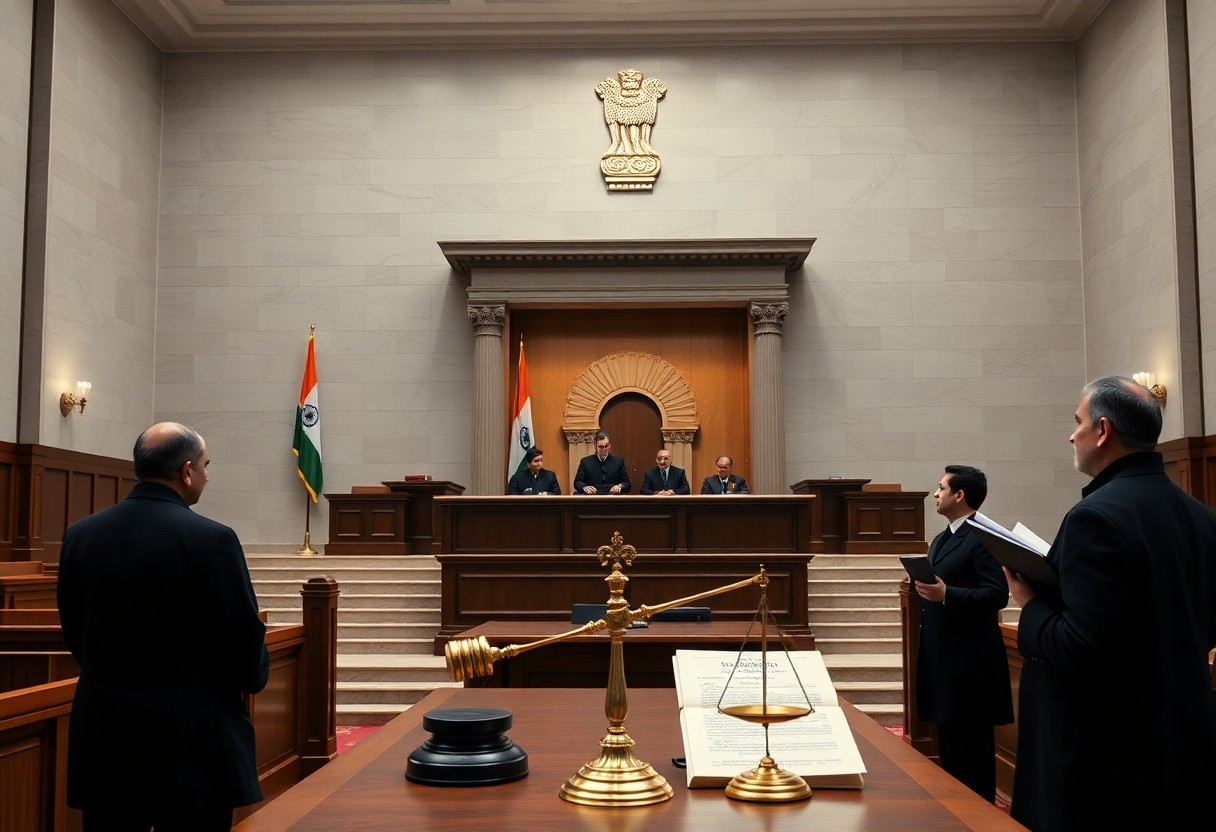
Over the course of conflicts, you are protected by both human rights and international humanitarian law; understanding their shared protections, the grave danger of violations and the obligations that can save lives lets you assess accountability, humanitarian response and how your rights persist amid hostilities.
Key Takeaways:
- IHL and human rights law operate together in conflict settings: IHL is the specific regime for conduct of hostilities and treatment of persons during armed conflict, while human rights law applies at all times and continues to protect people during war.
- They share core protections-right to life, humane treatment, detention safeguards, and access to humanitarian aid-so the two bodies of law often reinforce one another in practice.
- Implementation and accountability differ: IHL relies on battlefield rules, Geneva Conventions, and humanitarian actors, whereas human rights law uses treaty bodies, courts, and state obligations; their interaction shapes remedies, derogation possibilities, and transitional justice.
Understanding Human Rights
Definition and Scope of Human Rights
Human rights are legal and moral claims you hold by virtue of being human, defined by their universality, indivisibility, and inalienability; they cover civil and political protections such as the right to life, liberty and security, as well as economic, social and cultural entitlements like education and health. They are expressed in instruments that vary in form-from the 30 articles of the Universal Declaration of Human Rights (1948) to binding covenants-and in practice they create a web of obligations that apply across different jurisdictions, to citizens and non-citizens alike. You should understand that these rights are not merely aspirational: many are legally enforceable where your state has ratified the relevant treaties, and some rights are classified as non-derogable (for example the prohibition of torture and slavery), meaning they cannot be suspended even in times of emergency.
States owe three core duties in relation to your rights: to respect (refrain from interference), to protect (prevent third-party violations), and to fulfill (adopt measures to realize rights progressively). In practice this means you can challenge arbitrary detention or unlawful use of force where the duty to respect is breached; you can expect the state to regulate corporations to prevent labor abuses under the duty to protect; and you can hold authorities accountable for policies that deny access to crucial services under the duty to fulfill. The International Covenant on Economic, Social and Cultural Rights codified the principle of progressive realization and requires states to use the maximum of their available resources to improve standards-an approach the South African Constitutional Court applied in the Treatment Action Campaign litigation (2002), where the court ordered government measures to provide antiretroviral treatment to prevent mother-to-child HIV transmission.
The territorial and personal reach of human rights law can be complex: while rights normally apply within your country, international jurisprudence has extended obligations extraterritorially in certain contexts, such as control by state agents abroad. Examples include the European Court of Human Rights’ rulings in Al-Skeini and Hirsi Jamaa, which expanded the concept of jurisdiction for the purpose of applying human rights obligations to activities outside a state’s territory. For you this means that even in situations involving cross-border operations, occupation, or interception at sea, there may be a legal basis to seek remedies-though how effectively those remedies work will depend on treaty ratification, domestic incorporation, and the capacity of national and regional courts to enforce rights.
Historical Development of Human Rights Norms
Human rights law emerged from a long historical trajectory: medieval protections like habeas corpus and the Magna Carta evolved through Enlightenment thinking and revolutionary texts such as the US Bill of Rights (1791) and the French Declaration of the Rights of Man and of the Citizen (1789). The modern international human rights regime was galvanized by the atrocities of World War II and produced the Universal Declaration of Human Rights on 10 December 1948 (adopted by a UN General Assembly vote of 48 in favor and 8 abstentions), which set a common standard of achievement for all peoples. That post‑war momentum gave rise to binding treaties during the mid‑20th century, notably the twin Covenants-ICCPR and ICESCR-adopted in 1966 and entering into force in 1976, which divided civil‑political and economic‑social obligations while forming the backbone of contemporary treaty law.
The Cold War era shaped the content and implementation of these norms, and the decolonization wave expanded participation as newly independent states joined the system and pressed for attention to social and economic rights. Regional systems developed in parallel: the European Convention on Human Rights (1950) created an enforceable court with remedial powers; the American Convention on Human Rights (1969) and the African Charter (adopted 1981) followed, each adapting universal norms to regional contexts. Over time treaty bodies and courts-such as the Human Rights Committee under the ICCPR and the European Court of Human Rights-built a rich jurisprudence addressing issues from capital punishment to freedom of expression; for example, the Soering v. United Kingdom decision (1989) clarified that extradition could be barred where the individual faced a substantial risk of inhuman or degrading treatment.
More recent decades have seen accelerated norm creation and specialization: CEDAW (1979) and the Convention on the Rights of the Child (1989) addressed gender and youth-specific harms, while the 1998 Rome Statute and the International Criminal Court introduced accountability for international crimes that often overlap with human rights violations. Institutional innovations such as the UN Human Rights Council (established 2006) and the Universal Periodic Review process have added peer review and political pressure as enforcement tools. These developments have expanded avenues for you to seek accountability-through domestic courts, regional tribunals, UN treaty bodies, and special procedures-although implementation remains uneven and often depends on political will and resources.
Additional context that shapes how these historical layers affect your rights today includes the increasing role of non‑state actors and the emergence of business and human rights frameworks: the UN Guiding Principles on Business and Human Rights (2011) established the state duty to protect alongside corporate responsibility to respect rights, creating new mechanisms for redress and due diligence even where traditional treaty obligations are state‑centric. That shift means litigation, shareholder actions, and national regulation are increasingly used to translate historical norms into practical remedies in your daily life.
Key Human Rights Instruments and Treaties
The core international instruments you are most likely to encounter are the Universal Declaration of Human Rights (1948), the International Covenant on Civil and Political Rights (ICCPR, 1966) and the International Covenant on Economic, Social and Cultural Rights (ICESCR, 1966). The UDHR remains the foundational reference framing 30 articles of civil, political, economic, social and cultural entitlements, while the Covenants converted many of those standards into obligations that states can ratify and be held to. More than 170 states have ratified the ICCPR and ICESCR combined, and treaty-specific mechanisms-like the Human Rights Committee under the ICCPR and the Committee on Economic, Social and Cultural Rights-monitor compliance through state reporting, concluding observations, and increasingly through individual complaint procedures where optional protocols exist.
Regional instruments add layers of enforceability: the European Convention on Human Rights (1950) gives you access to the European Court of Human Rights if your state is a party; the American Convention on Human Rights (1969) and the African Charter on Human and Peoples’ Rights (1981) provide similar regional adjudicative or quasi‑adjudicative mechanisms. These regional systems have produced landmark decisions that directly affected national laws-Dudgeon v United Kingdom (1981) led to the decriminalization of private homosexual conduct in parts of the UK, and numerous ECtHR judgments have compelled systemic reforms in prison conditions, anti‑torture safeguards, and fair trial guarantees. If your state has ratified these treaties and accepted the competence of the respective bodies, you can bring complaints or participate in strategic litigation that leverages regional jurisprudence.
Procedural mechanisms are equally important for your ability to secure remedies: besides state reporting, many treaties permit individual communications through optional protocols (for example, the First Optional Protocol to the ICCPR allows individual complaints), and UN special procedures-Special Rapporteurs and Working Groups-conduct country visits, issue thematic reports and receive complaints. The Universal Periodic Review (created in 2006) subjects every UN member state to periodic peer review, which has resulted in thousands of recommendations that civil society and victims use as leverage. You should note that the existence of these instruments does not guarantee enforcement; effectiveness depends on ratification, the scope of reservations, and whether national law incorporates treaty obligations so courts and agencies can act on them.
More detailed considerations include the domestic legal status of treaties: in some systems ratification automatically makes treaties part of your domestic law, while in others implementing legislation is required-so the protective effect of a treaty on your daily life can hinge on ratification, domestic incorporation, and judicial interpretation. Additionally, optional protocols, reservations, and declarations can narrow treaty obligations, and enforcement resources vary widely across regional mechanisms, meaning that strategic use of instruments often requires combining domestic litigation, regional complaints, and UN procedures to secure effective remedies.
Overview of International Humanitarian Law
Definition and Purpose of International Humanitarian Law
You should understand IHL as the body of treaty and customary rules that directly regulate conduct in armed conflict, distinct from-but interacting with-human rights law; it is the legal framework that tells parties what they may and may not do in battle and how to treat those who are hors de combat. The most visible components are the four 1949 Geneva Conventions and their Additional Protocols of 1977 and Protocol III of 2005, which together set out protection for the wounded, shipwrecked, prisoners of war and civilians, as well as rules on means and methods of warfare. At the same time, customary IHL-systematized in the ICRC’s 2005 study identifying some of the most widely accepted rules-fills gaps where treaty law does not apply, meaning you are bound by many prohibitions even if your state has not ratified every instrument.
You will find that the purpose of IHL is fundamentally twofold: to protect persons who are not, or are no longer, participating in hostilities, and to place limits on the choice of methods and means of warfare. Practically, that means explicit protections for civilians, medical personnel, religious personnel, and captured combatants, and categorical prohibitions or restrictions on weapons and tactics that cause unnecessary suffering-think of bans on chemical weapons and the regulation of incendiary weapons. States have translated those aims into concrete obligations: for example, the four Geneva Conventions have achieved near-universal ratification, so in contemporary conflicts you can usually expect the substantive protections to be widely recognized and invoked.
You should also recognize how IHL functions as a lex specialis in armed conflict: where both human rights law and IHL could apply, IHL governs conduct of hostilities while human rights law continues to regulate the overall obligations of states toward individuals. In operational terms that means military planners must apply principles like distinction and proportionality when conducting strikes, while lawyers advising commanders must reconcile those operational rules with extraterritorial human-rights obligations in specific contexts-an interplay reflected in case law such as the ICTY’s jurisprudence on internal armed conflicts and in regional court decisions addressing extraterritorial jurisdiction.
Historical Context and Development of IHL
You see the roots of modern IHL stretching back to 19th-century reforms aimed at limiting battlefield suffering: the Lieber Code (1863) influenced the first Geneva Convention of 1864, and Henry Dunant’s advocacy led to the establishment of the ICRC and the earliest treaty protections for wounded soldiers. Later, the Hague Conventions of 1899 and 1907 began to regulate weapons and methods of warfare, creating the first multilateral rules about sieges, bombardment, and the treatment of prisoners. That layered evolution explains why contemporary IHL combines humanitarian protections (the Geneva strand) with regulatory constraints on means and methods (the Hague strand), so that you are dealing with an interlocking legal architecture when analyzing any specific use of force.
You will find that World War II’s atrocities created the impetus for a more comprehensive and universal framework, resulting in the four Geneva Conventions of 1949-now the backbone of modern IHL-and subsequent developments to address new realities. The Additional Protocols of 1977 expanded protections substantially for victims of both international and non-international armed conflicts, reflecting a post-colonial increase in civil wars and internal armed struggles; Protocol III (2005) provided an additional protective emblem. Accountability mechanisms emerged alongside these normative advances: Nuremberg and Tokyo established the idea of individual criminal responsibility, while ad hoc tribunals (ICTY, ICTR) and the Rome Statute, adopted in 1998 and entering into force in 2002, institutionalized prosecution of war crimes, crimes against humanity, and genocide as enforcement tools you can use to deter violations.
More detail sharpens how quickly practice adjusted to changing conflict types: the ICRC’s 2005 study catalogued customary rules arising from state practice and opinio juris, and courts have repeatedly confirmed that many protections apply in internal armed conflicts-a development visible in the ICTY’s landmark Tadić jurisdiction decision in 1995. You should note that customary law often fills treaty lacunae in contemporary asymmetrical conflicts, and that the interplay between treaties, custom, and judicial interpretation drives both legal obligations and operational military doctrine today.
Core Principles of International Humanitarian Law
You must apply the core principles-distinction, proportionality, precaution, humanity, and military necessity-each time force is planned or used. Distinction requires that you always differentiate between combatants and civilians and that attacks be directed only against military objectives; violating that rule by deliberately targeting civilians constitutes a grave breach and, in many cases, a war crime. Proportionality forbids attacks where the expected incidental civilian harm would be excessive compared to the concrete and direct military advantage anticipated, and courts have repeatedly assessed proportionality by weighing tangible military gains against quantifiable civilian harm in concrete operations.
You need to incorporate precautionary measures into both planning and execution: advance verification of targets, choice of weapons to minimize collateral damage, effective warnings where feasible, and post-strike assessments to address civilian harm. International case law gives examples you can study: tribunals and courts have scrutinized artillery and air campaigns to determine whether feasible precautions were taken, and the absence of precautions has been central to liability findings in certain ICTY and domestic war-crimes prosecutions. At the same time, the principle of humanity operates as a normative check-directing that persons hors de combat are protected from violence, that detainees receive humane treatment, and that medical personnel and facilities are respected and protected under the emblem rules.
You should be aware that military necessity does not trump these protections; rather, it functions as a limiter that permits only those measures necessary to achieve a legitimate military objective and that are not otherwise prohibited by IHL. In practice that means commanders cannot lawfully resort to methods or weapons that cause unnecessary suffering, even if doing so might provide a tactical advantage. Case studies from recent decades-ranging from tribunal judgments to transparency reports by armed forces-illustrate how legal advisors frame targeting decisions and draft rules of engagement to operationalize these core principles, and how violations have led to criminal prosecutions, reparations orders, and changes in military doctrine.
More information will show you how these principles are operationalized and enforced: the ICRC, national military manuals, and judicial decisions provide the interpretive guidance you need when applying abstract standards to specific facts, and training of armed forces increasingly includes scenario-based instruction on distinction, proportionality, and precaution to reduce unlawful harm on the battlefield.
The Interrelationship Between Human Rights and IHL
Complementarity of Human Rights and IHL
When you compare the two regimes side by side, the practical overlap is immediate: IHL governs the conduct of hostilities and the protection of persons during armed conflict, while human rights law remains applicable in times of armed violence and provides procedural safeguards and individual remedies. You can see this in doctrine: the Geneva Conventions of 1949 (universally ratified by virtually all states) set out specific protections for wounded combatants, prisoners of war and civilians, whereas core human rights treaties such as the ICCPR (1966) provide general guarantees like the right to life, liberty and a fair trial. Courts and tribunals routinely apply the principle of lex specialis – that IHL governs conduct in armed conflict situations – but they do not extinguish human rights obligations; instead, they operate together to produce a layered protection standard.
When you look at concrete examples, the complementarity shows up in detention and trial practices. For instance, Common Article 3 of the Geneva Conventions imposes minimum procedural and humane-treatment standards in non‑international armed conflicts, while Article 14 of the ICCPR requires fair trial guarantees for anyone charged with a criminal offence. Judicial decisions have enforced both standards: in Hamdan v. Rumsfeld (U.S. Supreme Court, 2006) and Boumediene v. Bush (2008) the U.S. judiciary required procedural protections for Guantánamo detainees informed by Common Article 3 and habeas corpus principles. You therefore benefit from dual layers of protection – one addressing the battlefield reality, the other insisting on judicial safeguards and remedies.
When assessing state practice, you can observe that the two frameworks fill gaps left by the other. IHL contains detailed rules on targeting, medical neutrality and the protection of cultural property – areas where human rights law is comparatively general – while human rights mechanisms (treaty bodies, regional courts) provide ongoing monitoring, individual complaint procedures and reparations frameworks that IHL historically lacked. In practice, organizations such as the ICRC play a mediating role, and regional human rights courts have developed jurisprudence that reconciles both systems: the European Court of Human Rights’ post‑intervention case law, including Al‑Skeini v. United Kingdom (2011), illustrates how you can invoke human rights protections in extraterritorial military operations while still recognizing IHL’s primacy for conduct of hostilities. That combined architecture enhances the protection available to you in armed conflict.
Areas of Conflict Between Human Rights and IHL
Tensions frequently arise where the regimes prescribe different legal tests for the same conduct – most visibly in the use of lethal force. You will find that human rights law, particularly in law‑enforcement contexts, requires necessity, proportionality and accountability for any deprivation of life, whereas IHL allows the targeting of combatants and military objectives under a battlefield proportionality calculus. High‑profile examples include state practice on targeted killings and drone strikes: the strikes that killed Anwar al‑Awlaki (2011) and others prompted intense debate because states invoked IHL to justify the operation while human rights bodies and some courts argued the need to assess the act under human rights standards if it occurred outside active hostilities. That tension leaves you facing two different accountability paths with different burdens of proof and procedural expectations.
Detention is another flashpoint. You can see how IHL authorizes the internment of combatants and certain security detainees for imperative military reasons, with procedural safeguards under the Third and Fourth Geneva Conventions, yet human rights law prohibits arbitrary detention and demands judicial review under instruments like the ICCPR. Guantánamo litigation (Rasul, Hamdi, Boumediene) and numerous national cases illustrate the conflict: states have held hundreds of individuals inextricably between competing legal logics, arguing military necessity while courts insisted on habeas corpus and fair‑trial guarantees. The practical consequence for you is that detention policies that states claim are lawful under IHL can still be struck down under human rights adjudication if they lack independent oversight or adequate procedural remedies.
Territorial and temporal scope can also produce incompatibility. You will encounter disputes about when human rights obligations apply extraterritorially during military operations or occupation, versus when IHL alone governs. The European Court’s rulings in cases like Al‑Skeini have expanded human rights reach in some circumstances, while other national and international decisions have confined human rights scrutiny to core state activities in territory under effective control. Moreover, states may invoke derogation clauses in instruments like Article 4 of the ICCPR during public emergencies, creating an area where human rights obligations are temporarily modified while IHL continues to apply; this regulatory overlap can leave victims and practitioners uncertain about which rules confer the stronger protection.
More detail about these conflicts shows that adjudicators often resolve them through interpretive tools rather than outright choice: courts use the lex specialis principle to defer to IHL for conduct of hostilities while applying human rights standards for detention and remedial processes, and treaty bodies stress the non‑derogable nature of certain rights, particularly the absolute prohibition on torture and other inhuman treatment. In mixed practice arenas – counterterrorism, occupied territories, cross‑border operations – outcomes turn on factual findings about control, the intensity of hostilities and whether lethal force was part of active combat operations; you therefore need careful legal and factual mapping in each case to determine which protections most benefit you.
Implementation and Enforcement Mechanisms
You will find a complex enforcement ecosystem that mixes international, regional and domestic actors to operationalize both IHL and human rights law. On the IHL side, the International Committee of the Red Cross (ICRC) plays a distinctive monitoring and advisory role, conducting confidential visits to detainees and encouraging states to incorporate the 1949 Geneva Conventions and their Additional Protocols into domestic law (the Conventions are effectively universal, with virtually all states party). On the human rights side, treaty bodies such as the Human Rights Committee, regional courts like the European Court of Human Rights, and the UN Human Rights Council provide reporting, individual complaint mechanisms and, in many cases, binding judgments or recommendations that require follow‑up. That institutional plurality means you can pursue remedies through several channels simultaneously.
When enforcement moves from oversight to sanction, mechanisms diverge sharply. International criminal justice has become a key enforcement tool for serious violations: ad hoc tribunals (ICTY, ICTR) and the ICC (established by the Rome Statute, to which more than 120 states are parties) have obtained convictions for war crimes, crimes against humanity and genocide – Thomas Lubanga’s conviction (ICC, 2012) for conscripting child soldiers and convictions in ICTR cases such as Jean‑Paul Akayesu are concrete examples. Yet you should also note the limits: indictments of sitting heads of state (e.g., Omar al‑Bashir) have exposed gaps in arrest and enforcement when states refuse cooperation. In parallel, regional human rights courts have secured reparations and systemic remedies through binding judgments, as seen in multiple interstate and individual cases concerning conduct during/after conflicts.
At the national level, you can rely on domestic courts and legislation to implement both bodies of law: many states incorporate Geneva Conventions into criminal codes, adopt military manuals and issue Rules of Engagement that reflect IHL obligations, while ordinary courts and specialized tribunals try war crimes under universal jurisdiction statutes. Truth commissions and hybrid tribunals (for example, the Special Court for Sierra Leone) demonstrate another enforcement mix – pairing criminal accountability with reparative measures. NGOs and investigative bodies (Human Rights Watch, Amnesty, the UN Commission of Inquiry) supplement enforcement by documenting abuses and catalyzing prosecutions or policy change, so your options for seeking redress span institutional and procedural tracks.
More information about enforcement underlines that remedies are plural and often cumulative: you can seek criminal prosecution, civil reparations and administrative reforms simultaneously, and international bodies will sometimes require domestic follow‑up as part of reparations orders or friendly settlements. In practice, success depends on cooperation, political will and capacity – rights holders have won landmark judgments and convictions, but implementation frequently stalls without sustained international pressure, strategic litigation and civil society mobilization to convert legal wins into concrete protections for you and your community. Effective enforcement therefore combines legal avenues with political and operational strategies to secure accountability and prevention.
The Role of State Sovereignty
State Obligations Under Human Rights Law
When you consider how human rights law binds states, the framework is built on three core duties: to respect, to protect and to fulfill. States that are parties to instruments like the International Covenant on Civil and Political Rights (ICCPR, 1966) must not only refrain from directly violating rights but must take positive measures to prevent abuses by third parties, including private actors and security forces under their control. For example, the UN Human Rights Committee has consistently held that states must exercise “due diligence” to prevent torture and other ill-treatment by non-state actors; failing to do so can trigger obligations to investigate, prosecute and provide remedies.
In operational terms, you should expect states to have laws, procedures and oversight that translate treaty obligations into practice: penal codes that criminalize torture and extrajudicial killing, independent courts that hear complaints, and reparations mechanisms for victims. Case law shows how this plays out: in Hirsi Jamaa v. Italy (2012) the European Court of Human Rights found Italy responsible for pushbacks to Libya and for exposing migrants to inhuman treatment, underlining that boundary or migration controls cannot be a shield against human rights duties. Similarly, in Al‑Skeini and others v. the United Kingdom (2011) the Court extended human rights obligations to circumstances of effective control abroad, demonstrating that sovereignty claims cannot automatically negate your protections if state agents exercise authority over persons outside the home territory.
Finally, some rights are non-derogable – they cannot be suspended even in times of war or public emergency – and that has direct implications for your safety. Under Article 4 of the ICCPR and consistent jurisprudence, prohibitions on torture, slavery and the right to recognition as a person before the law stand outside derogation; other rights may be limited but only according to strict tests of legality, necessity and proportionality. When states invoke emergency powers or derogate from obligations, they are required to notify treaty bodies and justify measures; failure to do so or resorting to measures that are disproportionate exposes states to international scrutiny and possible remedies for you as an affected person.
State Obligations Under International Humanitarian Law
You should understand that International Humanitarian Law (IHL) – founded on the Four Geneva Conventions of 1949 and Additional Protocols of 1977 – imposes a distinct set of obligations on states once an armed conflict exists. Those obligations focus on the conduct of hostilities and the protection of persons who are hors de combat, including wounded, shipwrecked, prisoners of war and civilians. The central principles of distinction, proportionality and precautions require states and their armed forces to distinguish between military targets and civilians, to avoid attacks expected to cause excessive incidental civilian harm relative to the anticipated military advantage, and to take all feasible precautions to minimize civilian harm.
In practice, you see these obligations reflected in rules about detention, the treatment of prisoners and the protection of medical units and humanitarian personnel. For example, Common Article 3 – applicable in non‑international armed conflicts – sets minimum standards prohibiting murder, torture and taking hostages, and the Geneva Conventions specify protections for civilians in occupied territories. International tribunals and courts have enforced these rules: the ICTY and ICTR prosecuted grave breaches, and the Rome Statute (1998) codified many war crimes and command responsibility concepts, signaling that failure to prevent or punish violations can make commanders and states liable.
Operational obligations also require states to adapt domestic law and military practice: training armed forces in IHL, issuing clear rules of engagement that incorporate precaution and proportionality, and conducting prompt investigations into alleged violations. If you are in an area of operations, violations such as deliberate attacks on civilians or starvation as a method of warfare are expressly prohibited and constitute serious breaches that trigger individual criminal responsibility and state-level duties to provide reparation.
More detail matters: states must not only avoid direct breaches but also legislate and investigate. Under Article 146 of the Fourth Geneva Convention and analogous provisions, states are required to search for persons alleged to have committed or ordered grave breaches and to submit them for prosecution; if they do not, other states may exercise universal jurisdiction in some instances. That legal architecture means your protection depends not just on battlefield behavior but on the presence of functioning judicial and accountability mechanisms back home.
Balancing State Sovereignty with Individual Rights
When you experience measures taken in the name of sovereignty – such as border closures, detention of suspected combatants or emergency declarations – the legal balancing act becomes evident: states retain the right to safeguard territorial integrity and public order, but that right is bounded by international obligations that protect your fundamental rights. In doctrinal terms, sovereignty does not authorize unlimited action; courts have repeatedly found that where a state exercises effective control over persons or territory, human rights obligations attach. The US Supreme Court’s decision in Boumediene v. Bush (2008) is a prime example: the Court held that habeas corpus rights applied to Guantanamo detainees because of the degree of US control, limiting the reach of sovereignty as a defense to rights claims.
Practically, legal systems use proportionality and necessity tests to reconcile state interests with individual protections. If a state detains you on security grounds, the detention must be lawful, time‑limited and subject to judicial review; indefinite, secret or arbitrary detention triggers human rights violations and often international condemnation. Derogations from human rights obligations are permitted only under strict conditions (e.g., procedural notification, limited scope, non‑derogable rights preserved), and history shows that misuse of derogations-such as broad suspensions of habeas corpus or blanket authorizations for lethal force-has led to grave abuses and subsequent accountability processes.
The balance also shifts with context: occupation law under the Hague Regulations and Geneva Conventions imposes long‑term governance duties on an occupying power that go beyond ordinary peacetime sovereignty, requiring you to have access to basic services and legal protections. When security operations cross the line into collective punishment, indiscriminate attacks, or widespread arbitrary detentions, international mechanisms – from regional human rights courts to the ICC – can and do constrain state action, signaling that sovereignty cannot be used to legitimize systematic violations.
More practically, balancing demands institutional safeguards: independent judiciaries, parliamentary oversight, transparent derogation notifications and robust civil society monitoring. Those mechanisms ensure that when your government claims exceptional powers, the measures remain proportionate, time‑bound and subject to review, reducing the risk that assertions of sovereignty will result in unchecked abuse.
Case Studies of Human Rights Violations in Armed Conflicts
- Holocaust (1939-1945): estimated 6,000,000 Jewish victims and millions of other targeted groups; systematic industrial-scale killings represent the archetype of state-facilitated genocide and forced deprivations of basic rights.
- Nanjing Massacre (1937-1938): estimated 200,000-300,000 civilians killed, mass rape and looting; demonstrates how occupation forces commit widespread war crimes against non-combatants.
- My Lai Massacre (Vietnam, 1968): approximately 347-504 civilians killed in a single operation; illustrates breakdowns in command responsibility and the role of military policy in enabling abuses.
- Rwanda Genocide (1994): around 800,000 people killed in ~100 days; shows rapid mass violence, targeted ethnic killing, and failures of international protection mechanisms.
- Srebrenica Massacre (1995): ~8,000 Bosniak men and boys executed; a clear case of ethnically targeted murder assessed by international tribunals as genocide.
- Syria (2011- ): estimated >500,000 killed and millions displaced by mid-2020s; demonstrates protracted conflict where both state and non-state actors commit grave human rights and IHL violations, including chemical attacks and sieges.
Historical Case Studies
Several historical episodes reveal predictable patterns you should recognize when assessing violations of human rights and international humanitarian law. In World War II, the systematic policies behind the Holocaust combined state apparatus, logistics, and pseudo-legal frameworks to produce industrial-scale murder: approximately 6,000,000 Jewish victims and millions more from other groups. That scale underlines how ideological targeting plus administrative mechanisms can convert discrimination into mass atrocity, and you can see direct parallels in later instances where bureaucracy masks brutality.
Turning to occupied conflict zones, the Nanjing Massacre and the My Lai incident each show how occupation and counterinsurgency operations escalate into mass civilian harm. Estimates for Nanjing range between 200,000-300,000 killed, while My Lai left around 347-504 victims; both cases expose how unit-level decisions and dehumanizing rhetoric facilitate sexual violence, summary executions, and looting. You should note how evidence from perpetrators’ own records, survivor testimony, and forensic investigations later became decisive in establishing patterns of criminality under both IHL and human rights law.
Mass ethnic violence in the 1990s demonstrates the consequences when international protection mechanisms fail. During the Rwanda genocide some 800,000 people were killed in roughly 100 days, and the fall of Srebrenica resulted in about 8,000 executions. From these events you learn how the absence of timely international intervention, delays in enforcement of human rights obligations, and weak rules of engagement can enable rapid escalation to atrocities, and how post-conflict tribunals later used mixed legal frameworks to assign individual and command responsibility.
- Holocaust – state policy + logistics: ~6,000,000 Jews killed; exhibits state-facilitated genocide and systemic deprivation of civil rights.
- Nanjing Massacre – occupation crimes: est. 200,000-300,000 civilians killed; demonstrates mass sexual violence and extrajudicial killings as war crimes.
- My Lai – counterinsurgency abuse: ~347-504 civilians killed; highlights command failure and individual criminal liability under IHL.
- Rwanda – rapid ethnic targeting: ~800,000 killed in ~100 days; shows breakdown of protection and international response gaps.
- Srebrenica – enclave massacre: ~8,000 Bosniak men and boys killed; recognized as genocide by international courts.
Contemporary Case Studies
In modern conflicts you confront a mix of state and non-state actors employing hybrid tactics that blur the lines between combatant and civilian, which complicates legal protections under both human rights and IHL. Syria’s conflict, for example, has seen estimates exceeding 500,000 killed and millions displaced, with documented use of chemical agents, deliberate sieges, and indiscriminate aerial bombardments. When you analyze such cases, the combination of prolonged urban warfare and restricted humanitarian access is a recurring factor behind high civilian tolls.
Yemen’s civil war shows how blockade strategies and targeted strikes produce layered harm: direct fatalities from hostilities are compounded by famine, disease, and the collapse of services, producing estimates of at least tens of thousands killed directly and hundreds of thousands when indirect mortality is included, with over 20 million people in need of assistance. You should recognize that in conflicts where economic strangulation and health-system collapse are weaponized, violations of economic and social rights intertwine with IHL breaches.
The 2017 persecution of the Rohingya in Myanmar forced over 740,000 people into Bangladesh and included documented killings, sexual violence, and village burnings consistent with crimes against humanity. Likewise, actions by extremist groups such as ISIS from 2014-2017 resulted in mass executions, enslavement, and sexual slavery of minorities across territories in Iraq and Syria. From these contemporary examples you learn that displacement, gender-based violence, and cultural destruction are central harms that human-rights and humanitarian law must address in tandem.
- Syria (2011- ) – est. >500,000 killed; chemical attacks, sieges, and mass displacement; demonstrates interplay of state and non-state IHL violations.
- Yemen (2015- ) – tens of thousands killed directly, larger indirect mortality; > 20 million in need; highlights blockades and famine as violations of economic and social rights.
- Rohingya (Myanmar, 2017) – > 740,000 displaced to Bangladesh; mass killings and sexual violence categorized as crimes against humanity.
- ISIS (Iraq/Syria, 2014-2017) – thousands executed, systematic sexual slavery of minorities; demonstrates non-state actor atrocities and the limits of traditional state-centric response.
- Ukraine (post-2014 escalation) – tens of thousands displaced and civilian casualties in contested areas; showcases contemporary interstate and proxy conflict dynamics affecting civilian protection.
Further detail sharpens your understanding of how evidence, reporting, and legal mechanisms operate in these settings: documentation from NGOs, UN panels, and satellite imagery increasingly provides the chain of proof needed for prosecutions, while sanctions and referrals to international courts remain uneven tools for accountability. When you follow the trajectories of these conflicts, patterns emerge-sieges, forced displacement, sexual violence, and infrastructure targeting consistently appear among the most damaging and persistent violations of both human rights and IHL.
- Documentation methods – NGO/UN reports, satellite imagery, forensic exhumations: critical for prosecutions in Syria and Myanmar; numbers of verified incidents grow as evidence accumulates.
- Displacement scale – Rohingya: > 740,000 displaced; Syria: millions internally displaced plus > 5 million registered refugees; shows long-term protection and integration challenges.
- Indirect mortality – Yemen: direct deaths plus famine-related deaths make total mortality significantly higher than battlefield counts; demonstrates intersections of economic rights violations with conflict.
- Sexual and gender-based violence – documented at scale in ISIS-held areas and during Myanmar operations; often under-reported but vital for legal characterizations like crimes against humanity.
Lessons Learned from Case Analyses
From these case studies you can extract practical lessons about prevention, documentation, and accountability. Patterns show that early warning signals-hate speech escalation, targeted administrative measures, and militarized rhetoric-precede mass atrocities, and when international actors delay protective measures the human cost multiplies. Emphasizing strong, timely monitoring and protective deployments under clear IHL mandates increases the chance that civilian lives are saved.
Evidence-gathering and legal strategy matter for long-term justice and deterrence. Courts and tribunals have relied on combined streams of testimony, military orders, forensic analysis, and open-source intelligence to establish command responsibility and individual guilt. You should prioritize systematic documentation from conflict onset because without credible, contemporaneous records the likelihood of effective prosecution and reparations decreases significantly, undermining both human rights enforcement and future prevention.
Finally, integrated humanitarian response that protects economic and social rights alongside civil and political rights reduces secondary mortality and stabilizes communities. Post-conflict reconstruction efforts that include truth commissions, reparations, and institutional reform have demonstrably lowered relapse risk in several contexts. When you weigh policy options, coordination among humanitarian actors, legal bodies, and political actors proves to be a consistent factor in mitigating long-term harm.
Additional perspective shows that operationalizing these lessons requires persistent political will, adequate funding for documentation and protection, and legal harmonization between domestic courts and international mechanisms; only then can lessons from the past translate into effective safeguards that uphold both your human rights and the norms of international humanitarian law.
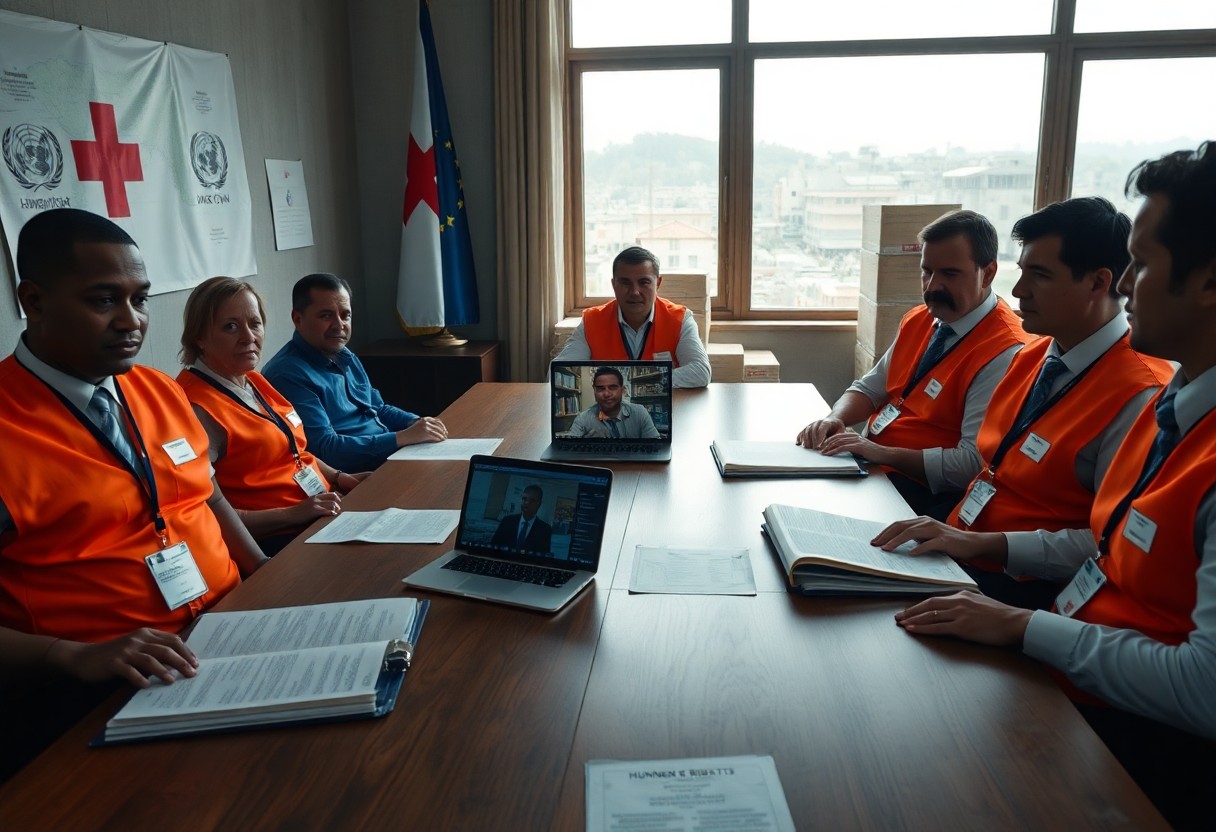
The Role of Non-Governmental Organizations (NGOs)
Advocacy and Monitoring of Human Rights
You rely on NGO monitoring when state reporting is partial or absent, because NGOs systematically document abuses and push them into international fora; for example, the Universal Periodic Review (UPR) has assessed all 193 UN member states since 2008 and NGOs regularly submit shadow reports that shape the recommendations states receive. Many organizations – Amnesty International (with over 10 million supporters worldwide), Human Rights Watch, and national human rights organizations – produce country dossiers that list patterns of unlawful detention, torture, disappearances and restrictions on civil liberties, often with photographic, testimonial and geolocated evidence. Those reports are not mere advocacy leaflets: they are used by Special Rapporteurs, treaty bodies and prosecutors, and they influence the language of UN resolutions, sanctions and bilateral pressure.
Your understanding of conflict dynamics improves when NGOs deploy monitoring networks in the field; Médecins Sans Frontières (MSF), for instance, operates in more than 70 countries and documents the health impacts of sieges and attacks on medical facilities, while local NGOs maintain hotlines and victim registries that capture abuses in real time. In Syria and Yemen, NGO-collected data on hospital strikes and civilian casualty patterns became foundational evidence for UN Commissions of Inquiry and independent investigations, prompting public reports and briefing notes that states could not easily dismiss. At the same time, NGOs use multimedia storytelling and social media campaigns to translate raw data into public pressure, and you see how this can alter diplomatic calculations when major donors condition aid on compliance with human rights standards.
You experience the practical side of advocacy when NGOs litigate and engage in strategic litigation to enforce rights. NGOs file litigation before domestic courts, regional human rights courts and international tribunals, and they also submit amicus curiae briefs that have directly shaped jurisprudence on issues like detention standards, the legality of targeted killings and the protection of civilians. In Europe and the Inter-American systems, NGO litigation has produced binding remedies that states must implement; those remedies, in turn, create precedents that strengthen both human rights law and the complementary protection offered by international humanitarian law in situations of armed conflict. The net effect is that NGO monitoring and advocacy turn obscure violations into documented legal claims that force accountability mechanisms to act.
Effect of NGO Actions on IHL Violations
You often see NGOs act as the bridge between frontline facts and legal accountability, and that bridge can have immediate operational effects. When NGOs document attacks on civilian infrastructure with timestamps, witness statements and satellite imagery, they enable prosecutors and investigative mechanisms to build cases that meet evidentiary thresholds; such documentation contributed to investigations into atrocities in the former Yugoslavia, Sierra Leone and Darfur, and fed evidence streams used by the International Criminal Court and ad hoc tribunals. Those legal processes are slow, yet NGO evidence elevates incidents from local crises to matters of international investigation, increasing the likelihood that perpetrators face charges or sanctions.
Your safety calculus changes when NGOs expose IHL violations publicly: exposure can deter future violations by raising reputational, diplomatic and economic costs for belligerents. In several conflicts, public NGO reports have led to targeted sanctions, travel bans and arms embargoes against commanders and entities alleged to have violated IHL. At the same time, the act of exposure carries real risks-witnesses documented by NGOs may suffer reprisals, and states or non-state actors sometimes label NGOs as partisan to discredit their work, as happened when multiple organizations were expelled or branded in states tightening civic space. The net impact is a trade-off between increased international scrutiny and the immediate security risks to sources and staff.
You should also note how NGO interventions can produce operational shifts on the ground: humanitarian organizations that document patterns of indiscriminate shelling or sieges often use that evidence to negotiate humanitarian pauses or safe corridors, and military actors have occasionally adjusted tactics after high-profile NGO reports. For example, sustained documentation of attacks on medical personnel contributed to UN Security Council Resolution 2286 in 2016, which condemned such attacks and put additional diplomatic pressure on parties to conflict. That shows how NGO findings can catalyze normative reinforcement of IHL, even if enforcement remains uneven.
Collaboration Between NGOs and International Bodies
You see collaboration in multiple formal and informal channels, from ECOSOC consultative status that grants NGOs access to UN meetings, to joint field missions where NGOs work alongside UN fact-finding bodies and Office of the High Commissioner for Human Rights (OHCHR) teams. NGOs also populate the humanitarian clusters coordinated by OCHA, acting as implementing partners that deliver aid and report violations in conflict zones; these partnerships mean that NGO data often feeds directly into UN situation reports and appeals. The Inter-Agency Standing Committee and cluster system institutionalize NGO involvement, making them vital nodes in both response and monitoring networks.
Your interactions with international institutions are shaped by how NGOs complement and supplement state and UN capacities: NGOs provide local knowledge, rapid assessment teams and forensic expertise that UN mechanisms frequently lack. In the investigation of chemical attacks and crimes against humanity, NGOs and investigative journalism networks have provided open-source intelligence and witness interviews that UN and OPCW-linked inquiries then corroborated. At the same time, NGOs sometimes decline UN funding or limit formal ties to preserve independence and neutrality, which affects the nature of collaboration but does not eliminate the flow of information between NGOs and international bodies.
Your leverage increases when NGOs coordinate with each other and with international mechanisms to produce unified reporting; coalition reports and joint submissions to treaty bodies or the UPR are often more persuasive than isolated filings. Multi-organizational coalitions have successfully pushed for independent inquiries, sanctions, and policy changes by presenting consolidated evidence and unified policy recommendations. Examples include coalitions that lobbied for UN commissions on Syria and Myanmar, where coordinated NGO documentation helped justify the creation of formal investigative mandates.
Further detail: you should account for the operational tensions that arise in these partnerships – for instance, when NGOs share sensitive information with UN bodies, questions of confidentiality, data protection and the risk of exposing sources become paramount, and organizations develop strict protocols to mitigate harm while maximizing impact. Collaboration therefore requires negotiated standards on evidence handling, witness protection and the preservation of organizational independence to ensure that combined action strengthens both humanitarian response and legal accountability without exposing victims or staff to additional danger.
The Impact of International Courts and Tribunals
Key Jurisprudence in Human Rights Law
You see the reach of human rights jurisprudence when courts impose positive obligations on states during armed conflict: the European Court of Human Rights in Osman v. United Kingdom (1998) and McCann v. United Kingdom (1995) built a framework that forces you to assess whether authorities took adequate preventative measures and whether the use of lethal force met stringent standards of necessity and proportionality. National security or military necessity do not automatically exempt a state from Article 2-style duties; rather, case law requires detailed public scrutiny of planning, intelligence assessment and post-incident investigation. That legal scrutiny has driven concrete changes in training and rules of engagement in several NATO forces after litigation highlighted procedural failings and inadequate oversight.
When you confront questions about jurisdiction in occupied or extraterritorial settings, jurisprudence such as Al-Skeini v. United Kingdom (2011) and Hirsi Jamaa v. Italy (2012) clarifies when human rights obligations travel beyond a state’s borders: control over persons or territory triggers obligations, including non-refoulement and protections against torture. The Human Rights Committee’s decisions – for example, General Comment No. 36 on the right to life (2018) – have tightened the analytical lens you must use when states claim derogation under emergency provisions; certain guarantees, including the absolute prohibition of torture and the core right to life protections, remain non-derogable. In practice, these rulings have produced immediate operational consequences, for instance altering interception and return policies and mandating independent post-operation reviews.
Beyond direct rulings, you benefit from remedies and supervisory mechanisms that create cumulative pressure on states: pilot judgments, interstate cases, and the committees under the ICCPR and CAT generate authoritative guidance that domestic courts often use to reinterpret military doctrine and national legislation. Strong precedents, such as Toonen v. Australia (1994) on non-discrimination, have forced domestic law reform in unexpected sectors, while ECHR jurisprudence has led to compensation schemes and structural reforms in policing and detention systems. The upshot is that human rights courts, through both individual petitions and systemic remedies, have become a practical lever for enforcing standards in wartime as much as in peacetime, making state accountability and remedial obligations unavoidable parts of operational planning.
Key Jurisprudence in International Humanitarian Law
ICTY decisions like Tadić (1995) provided fundamental definitions that shape how you classify an armed conflict and who can be prosecuted; the Appeals Chamber clarified that both international and non-international armed conflicts can give rise to international criminal responsibility, expanding the scope of IHL enforcement. ICTR’s landmark Akayesu judgment (1998) established that rape and sexual violence can constitute acts of genocide when committed with intent to destroy, in whole or in part, a protected group – a finding that transformed how you evaluate sexual violence in mass atrocity settings. These rulings crystallized the elements of grave breaches and clarified that certain acts – deliberately targeting civilians, torture, and mass rape – are not simply policy failures but internationally punishable crimes.
You must also factor in doctrines the tribunals developed to attribute responsibility: the ICTY’s use of joint criminal enterprise (JCE) and the doctrine of command responsibility produced concrete convictions in cases tied to Srebrenica and Sarajevo, exemplified by Krstić (2001) and Delalić/Čelebići (1998) respectively. Those cases demonstrated that superior orders or formal ranks do not shield perpetrators when evidence shows effective control or common plan participation; the law therefore compels changes in military command structures and disciplinary regimes to mitigate the risk of international liability. In parallel, Furundžija (1998) and Kunarac (2002) refined how you prove sexual violence, enslavement and torture, setting evidentiary standards and recognizing gender crimes as central war crimes rather than ancillary harms.
ICJ jurisprudence and advisory opinions have complemented criminal tribunal work by articulating state responsibilities under IHL and by reinforcing customary norms: the 2004 Wall Advisory Opinion and the ICJ’s findings in cases like Armed Activities on the Territory of the Congo (2005) supplied authoritative statements on occupation law, use of force and state responsibility. Together, these bodies have standardized concepts such as distinction, proportionality and precautions in attack, making them operational tests you must apply when reviewing battlefield tactics or detention policies. The cumulative effect is that IHL case law now supplies practical legal thresholds you can reference to assess both conduct and command accountability during hostilities.
More specifically, the tribunals left a durable legacy in evidence-gathering and standards for victim participation: archives of witness testimony and documentary exhibits collected by the ICTY and ICTR continue to support prosecutions, training and truth commissions, and they have influenced domestic prosecutions and military manuals. That body of material – comprising thousands of witness statements and forensic reports – has become a resource you can use to understand patterns of abuse, craft targeted reforms, and design reparations programs that reflect proven harms.
The Role of the International Criminal Court
You encounter the ICC as a court of last resort designed to step in when national systems fail: since the Rome Statute entered into force on 1 July 2002, the ICC has jurisdiction over genocide, crimes against humanity, war crimes and the crime of aggression, and it operates on the principle of complementarity, meaning it will only prosecute when states are unwilling or unable to do so genuinely. Because of that framework, you often see the ICC urging domestic prosecutions, capacity-building and legal reforms rather than supplanting national courts wholesale; at the same time, its mandate to prosecute the gravest crimes places it at the center of accountability for mass atrocities and large-scale rights violations.
The Court’s docket illustrates how it affects accountability in practice: the Lubanga conviction (2012) for enlisting child soldiers and the 2019 conviction of Bosco Ntaganda for murder, sexual violence and forced recruitment show that the ICC can secure lengthy sentences and reparations orders; its arrest warrants for Sudan’s Omar al-Bashir (2009, 2010) and more recently for Vladimir Putin (2023) demonstrate its political reach even when enforcement is uneven. You also see the ICC innovate: the Lubanga reparations order (2017) and the Court’s structured participation of victims in proceedings provide models for redress and recognition that many prior tribunals lacked. Additionally, the UN Security Council’s 2005 referral of the Darfur situation (Resolution 1593) exemplifies how the ICC can be activated through political mechanisms to address situations where state cooperation is absent.
Practical constraints, however, shape what the ICC can achieve: it lacks an independent enforcement arm and relies on state cooperation to arrest suspects and surrender them to The Hague, which creates an enforcement gap you must reckon with if perpetrators remain at large. Political pushback and non-membership by major powers (notably the United States, Russia and China) complicate universal application and sometimes delay investigations. For you, that means the ICC often functions as a norm-setter and a deterrent more than as a consistently executable court of swift justice, and those limits influence how victims and states strategize about pursuing accountability.
As a practical note, the Office of the Prosecutor’s approach – from preliminary examinations to full investigations and strategic prioritization of cases – matters to what you can expect next: the OTP has opened numerous preliminary examinations and investigations across Africa, the Middle East and Europe, reflecting a situational approach that prioritizes scale, gravity and capacity to prosecute. Innovations such as broader reparations mechanisms, focused gender-based crimes investigation strategies, and admissibility assessments tailored to encourage credible national prosecutions mean you should treat the ICC both as an enforcement instrument and as a driver of domestic legal reform and transitional justice planning.
Regional Human Rights Frameworks
The European Convention on Human Rights
You are most likely to encounter the European Convention on Human Rights (ECHR) if your situation involves one of the Council of Europe’s 47 member states, a system that has shaped how human rights operate alongside armed conflict in Europe since the Convention was adopted in 1950 and the European Court of Human Rights (ECtHR) began deciding cases in 1959. The ECtHR’s case law has repeatedly clarified how core rights like the right to life (Article 2) and the prohibition of torture (Article 3) apply even during hostilities; for example, in McCann v. United Kingdom the Court analyzed use of lethal force by security forces, and in Ireland v. United Kingdom (1978) the Court examined state conduct and the limits of permissible derogation. When you assess protection under the ECHR, bear in mind that Article 15 allows derogation in a public emergency threatening the life of the nation, but the Court has firmly treated certain protections as effectively non‑derogable in practice, particularly the absolute ban on torture and core aspects of the right to life.
The ECtHR also addresses jurisdictional reach in armed conflicts, which matters when you or your community are affected by foreign forces or operations carried out beyond a state’s borders. In Al‑Skeini and other judgments the Court held that states can owe Convention duties extraterritorially where they exercise effective control, a principle you can invoke if your rights were violated by occupying or deployed troops. Enforcement is a two‑stage process: the Court issues judgments and the Committee of Ministers of the Council of Europe supervises implementation; historically, that mechanism has produced structural reforms after pilot judgments (for instance, changes to policing and detention practices), but implementation timelines can stretch over years, leaving urgent protections unmet for some victims while states execute remedial measures.
Practically speaking for you, the ECHR system offers both individual petitions and interstate procedures that have produced landmark remedies and standards-Soering v. United Kingdom (1989) prevented extradition to face the death penalty when there would be a risk of inhuman or degrading treatment, and more recently the Court has adapted its doctrine to address terrorism and hybrid threats. If you bring a case or seek interim measures, expect the Court to weigh state security arguments against granular facts: the standard of review often requires evidence-based scrutiny of necessity and proportionality. That evidentiary demand means you should prepare detailed factual records, witness statements, and, where possible, independent documentation of abuses because the Court’s findings hinge on those specifics.
The African Charter on Human and Peoples’ Rights
The African Charter on Human and Peoples’ Rights, adopted in 1981 and entering into force in 1986, frames rights differently than many regional instruments by explicitly recognizing peoples’ rights-including the right to self-determination, development, and a satisfactory environment-alongside individual protections. You will find the Charter especially relevant where abuses occur in protracted conflicts because the African Commission and the African Court have interpreted state obligations to include positive duties: for instance, the Commission’s decision in SERAC and CESR v. Nigeria (2001) emphasized state obligations related to economic and social rights in contexts where corporate and military activity intersected with community survival. The Charter’s language obliges states to take measures to protect both communal interests and individual dignity, which can expand the remedial lens you should use when documenting violations.
Institutional architecture matters for your access to remedies: the African Commission on Human and Peoples’ Rights has long been the primary body accepting communications from individuals and NGOs, while the Protocol establishing the African Court on Human and Peoples’ Rights (adopted 1998) created a judicial body that has been issuing binding judgments since it became operational in the mid‑2000s. However, unlike the European system, not all African Union member states permit direct individual access to the Court, meaning that your ability to take a case directly to the African Court depends on state acceptance of jurisdiction or a referral from the Commission. The result is a patchwork of enforcement: where states accept the Court’s jurisdiction, you can obtain reparations and orders for measures such as release from arbitrary detention; where they do not, strategic use of Commission procedures and public reporting often becomes the most effective route.
When armed conflict is underway, the Charter’s emphasis on community rights can work to your advantage because it frames violations in terms of collective harm-displacement, destruction of livelihoods, and denial of access to necessary services-so you should document both individual injuries and the broader social impact. The African human rights bodies have increasingly addressed conflict‑related matters against the backdrop of international humanitarian law: the Commission has issued recommendations and the Court has ordered compensation and reforms in cases arising from internal conflicts, illustrating that you can leverage the Charter to press for both individual remedies and systemic change. That said, enforcement capacity and political dynamics often limit timely relief, so combining Charter mechanisms with international humanitarian law advocacy and engagement with regional political organs is frequently necessary to produce effective protection.
Additional detail: the Charter’s dual focus on obligations and duties means that state practices such as emergency legislation, military rule, or broad derogations are scrutinized not only for legality but for their impact on social and economic structures; when you analyze a case, include data on displacement numbers, interruption of health or education services, and environmental damage, because the African bodies have accepted such evidence to substantiate claims of collective harm and to shape reparations that go beyond individual compensation.
The Inter-American System of Human Rights
The Inter‑American System-centered on the American Convention on Human Rights (adopted 1969, in force 1978), the Inter‑American Commission on Human Rights, and the Inter‑American Court of Human Rights-has produced a robust body of case law that you can use when facing conflict‑related abuses in the Americas. The system’s jurisprudence is rich on state responsibility for disappearances, extrajudicial killings, and the failure to investigate: Velásquez‑Rodríguez v. Honduras (1988) established the principle that a state can be held internationally responsible for private‑actor abuses when it fails to prevent or investigate them. If your claim involves patterns of abuse-forced displacement, massacres, or gender‑based violence-the Inter‑American bodies have developed remedial tools including reparations, guarantees of non‑repetition, and specific measures to protect vulnerable groups; for example, the Court’s decision in González (“Cotton Field”) v. Mexico (2009) crafted gender‑sensitive remedies after systemic failures to protect women.
Operational mechanisms that matter to you include the Commission’s urgent actions and the Court’s provisional measures, which the Commission and Court can order to prevent irreparable harm while a case proceeds. The system also maintains thematic rapporteurs (for migrants, women, indigenous peoples, and others) whose reports and country visits provide detailed factual matrices useful in litigation. In Colombia and other conflict‑affected states, the Commission’s and Court’s interventions have led to structural measures-judicial reforms, establishment of specialized investigative units, and reparations programs-that demonstrate how Inter‑American rulings can translate into concrete change when states comply. However, compliance varies significantly by country, and political resistance can delay implementation of even landmark orders.
Jurisdictional reach and extraterritoriality have been central in recent Inter‑American decisions, which matters if you are in zones where foreign forces or multinational actors operate. The Court has elaborated standards on command responsibility, disappearances, and the duty to investigate patterns of abuse-standards you should reference in documentation and submissions. Additionally, the Inter‑American System’s engagement with indigenous rights and land issues means that when your claim involves displacement of indigenous communities during conflict, you can rely on well‑developed precedents that require free, prior and informed consent and restitution measures, rather than mere monetary compensation.
Additional detail: the Inter‑American Court’s reparations practice often goes beyond individual compensation to mandate structural reforms-such as legislative changes, training for security forces, or official truth and reconciliation mechanisms-which means that when you build a case you should propose specific institutional remedies and monitoring indicators to increase the likelihood that the Court will order comprehensive, enforceable relief.
Human Rights in Non-International Armed Conflicts
Applicability of Human Rights Law
When you assess non-international armed conflicts, you must recognize that human rights obligations do not simply evaporate because hostilities are internal; the International Covenant on Civil and Political Rights (ICCPR) continues to bind States unless a lawful derogation is validly declared under Article 4. You will encounter the Human Rights Committee’s General Comment No. 31 (2004) which clarifies that States remain responsible for persons under their jurisdiction, including where they exercise authority over territory or individuals during internal armed confrontations. In practice this means you need to evaluate both territorial control and personal control tests applied by courts like the European Court of Human Rights in cases such as Al-Skeini v. UK (2011) and Hirsi Jamaa v. Italy (2012), where jurisdictional reach was interpreted expansively in extraterritorial contexts.
As you examine concrete situations, you will find that the legal interplay between International Humanitarian Law (IHL) and human rights law is governed by principles of complementarity and lex specialis: IHL supplies rules on conduct of hostilities and detention during armed conflict, while human rights law supplies standards for protection and remedies, particularly where IHL has gaps. You should consider how Common Article 3 of the Geneva Conventions provides minimum humanitarian standards in non-international armed conflicts, yet does not displace State obligations under human rights treaties such as the ICCPR or regional instruments. Consequently, you must judge obligations through a layered analysis: whether a human right is absolute, whether derogation is permissible, and whether IHL or human rights law is the operative standard for a given fact pattern.
Because control and violence are often fragmented in non-international armed conflicts, you need to apply doctrine carefully: the effective control and authority and control tests remain central when attributing human rights violations to States where non-state actors dominate territory. You will find that tribunals and monitoring bodies have used nuanced metrics-number of troops present, duration of operations, degree of cooperation with local actors-to determine State responsibility. For your analysis, concrete indicators such as checkpoints controlled, detention facilities operated, and the presence of command structures will often determine whether human rights law is engaged alongside IHL.
Case Studies of Non-International Conflicts
When you study Syria (2011-present), the confrontation between State forces, varied non-state armed groups, and foreign actors illustrates overlapping legal regimes and mass human rights risks. You should weigh estimates of well over 500,000 conflict-related deaths reported by monitoring groups, millions displaced internally and externally, and systematic allegations of extrajudicial killings, torture, and sieges that trigger both IHL prohibitions and suspected breaches of the ICCPR’s guarantees. International mechanisms have repeatedly highlighted denial of humanitarian access and use of indiscriminate weaponry, and you must track how these actions raise both IHL violations and human rights claims for accountability and reparations.
As you evaluate Colombia’s long-running internal armed conflict (1964-2016 and residual violence thereafter), you will see a different dynamic where transitional justice measures sought to reconcile human rights accountability with peacebuilding. Official reports document roughly 220,000 conflict-related deaths and millions of victims of displacement; the 2016 peace agreement created the Special Jurisdiction for Peace to try serious violations. You should analyze how Colombia’s experience shows the potential for domestic remedies and truth mechanisms to address patterns of abuse by both State agents and non-state armed groups while testing the limits of human rights implementation in ceasefire and DDR (disarmament, demobilization, reintegration) phases.
When you consider Myanmar and the 2017 crackdown against the Rohingya minority, stark indicators of mass displacement and possible crimes against humanity come to the fore: UN figures estimate that more than 740,000 Rohingya fled to Bangladesh in mid-2017 alone. You must examine how the scale of forced displacement, documented deaths, and destruction of villages raises claims under human rights norms against the State and triggers international responses, including investigations and litigation at the International Court of Justice and other fora. These case studies show how varied evidence, independent reporting, and refugee statistics converge to establish legal and policy responses.
- Syria (2011-present): estimated >500,000 conflict-related deaths; 6-13 million internally displaced; allegations of sieges, chemical weapon use, and mass detention.
- Colombia (1964-2016+): approx. 220,000 conflict deaths (National Center for Historical Memory); 7 million victims of violence; transitional justice mechanisms under 2016 peace agreement.
- Myanmar – Rohingya (2017): >740,000 displaced to Bangladesh in 2017; documented village destruction and mass forced displacement; pending cases at the ICJ and international investigations.
- Somalia (1991-present): protracted internal conflict with tens to hundreds of thousands of violent deaths; repeated humanitarian access denials and Al-Shabaab control of territory.
- Yemen (2015-present): estimates of direct and indirect excess deaths in the hundreds of thousands; widespread civilian infrastructure destruction and blockade-related deprivation.
For more detail on these case studies, you should note that the quality of evidence-satellite imagery, survivor testimony, hospital records, and NGO and UN reporting-directly affects whether human rights bodies or criminal tribunals can substantiate allegations. In Syria, for example, documentation projects have produced tens of thousands of individual incident reports; in Colombia, transitional justice relied on aggregated victim registries exceeding millions. When you rely on numerical and documentary anchors, you enhance the probability that violations will be credibly adjudicated or investigated.
- Syria documentation: multiple NGOs and UN bodies compiled hundreds of thousands of incident records and victim lists used in referrals and potential prosecutions.
- Colombian victim registry: national registries recorded millions of victims, supporting reparations and truth-seeking mandates after the 2016 accord.
- Rohingya displacement figures: UN and IOM estimates documenting >740,000 refugees in Cox’s Bazar camps, used as evidentiary basis in international litigation.
- Somalia access metrics: humanitarian access denial reports quantified hundreds of blocked assistance operations annually, informing human rights reporting.
- Yemen mortality studies: excess mortality analyses combining conflict-related and indirect deaths into estimates in the low hundreds of thousands, cited in humanitarian appeals.
Challenges in Implementation
When you confront implementation realities, one dominant obstacle is the fragmentation of authority in non-international armed conflicts: non-state armed groups control territory and populations but are not parties to human rights treaties, complicating obligations and enforcement. You will encounter situations where you cannot simply require these groups to ratify treaties; instead, you must rely on IHL norms applicable to non-state actors and on State obligations to protect rights within their jurisdiction. This creates a practical enforcement gap: your tools for compelling compliance are weaker against irregular armed actors, and you must therefore use a mixture of engagement, targeted sanctions, and criminal accountability to influence behavior.
As you plan accountability strategies, you should account for evidentiary and access problems that hinder investigation: active frontlines, deliberate destruction of records, and threats to witnesses routinely prevent reliable documentation. Courts and human rights bodies increasingly accept alternative sources-open-source intelligence, satellite imagery, and UN monitoring-but you will still face burdens in establishing chain of custody and corroboration. Furthermore, you must weigh how counterterrorism laws and emergency powers often expand State capacity for intrusive measures yet simultaneously erode procedural safeguards and exacerbate risks of arbitrary detention, torture, and extrajudicial killings.
Because political will and resource constraints shape outcomes, you need to assess the capacity of domestic institutions to provide remedies and implement reforms; many affected States have weak judiciaries, understaffed human rights institutions, and limited budgets for reparations and vetting. You will encounter cases where impunity persists: decades-long conflicts often leave a legacy of uninvestigated crimes and limited prosecutions, which in turn perpetuates cycles of violence. To counter that, effective strategies commonly combine international support for evidence preservation, targeted prosecutions at hybrid or international tribunals, and domestic truth and reparation mechanisms to deliver both justice and reconciliation.
For more information on implementation challenges, you should examine specific indicators such as the number of verified massacres, rates of accountability prosecutions, and humanitarian access denials; these metrics often reveal systemic weaknesses in rule-of-law response and highlight where international assistance or pressure is most needed.
Gender Perspectives in Human Rights and IHL
Gender-Based Violence in Conflict Situations
Sexual violence is routinely employed as a tactic of war and control, and when you examine case studies such as Bosnia (where estimates range from 20,000 to 50,000 women and girls raped) and Rwanda (estimates of between 250,000 and 500,000 rape survivors during the 1994 genocide), the pattern becomes unmistakable: violence is targeted to destroy communities, break social bonds, and terrorize civilians. You should note that the use of rape, forced pregnancy, and sexual slavery has been documented across continents and decades – from the former Yugoslavia and Rwanda to the Democratic Republic of the Congo and Syria – and these practices are often coordinated, not merely opportunistic. International bodies have repeatedly concluded that sexual violence can amount to war crimes, crimes against humanity, or even genocide when employed with the specific intent to destroy a group.
When you work with survivors or analyze protection strategies, the immediate health consequences – traumatic injury, sexually transmitted infections including HIV, and complications from forced pregnancy – are only the most visible harms; long-term psychosocial damage, social ostracism, and economic marginalization can last generations. In practical terms, this means humanitarian responses must combine emergency medical care, safe shelter, legal aid, and long-term mental health services, yet in many conflict zones these services are fragmented: UN-led health interventions like the Minimum Initial Service Package (MISP) for reproductive health are not universally implemented, and local clinics are often destroyed or understaffed. The operational gap is severe: you will encounter contexts where survivors face not only trauma but also barriers to reporting – fear of retaliation, stigma, lack of female investigators – which drives impunity and reduces the likelihood of credible prosecutions.
Because you are reading policy-focused analysis, it’s important to focus on the mechanisms that amplify risk: displacement camps, collapsed rule of law, and armed groups incentivized to use sexual violence as a weapon. Evidence from the eastern DRC shows that protracted conflict, mineral exploitation and fractured command structures correlate with higher rates of sexual violence; similarly, investigations into ISIS-held territories documented the systematic sexual enslavement of Yazidi women as part of an organized campaign. International responses – including targeted sanctions, referral to the ICC, and protection-focused peacekeeping mandates – can mitigate risk, but often only when paired with sustained funding and survivor-centered programming. Failure to integrate gender analysis into operational planning leaves entire populations exposed and undermines both human rights and IHL protections.
Women’s Rights as Human Rights
When you view women’s rights through the combined lens of human rights and IHL, you see legal instruments that have steadily expanded protections: the Convention on the Elimination of All Forms of Discrimination against Women (CEDAW, 1979) established a baseline for non-discrimination, while the Beijing Platform for Action (1995) and Security Council Resolution 1325 (2000) reframed participation, protection, and prevention as central to peace and security. You should recognize that this evolution shifted the debate from seeing women only as victims to recognizing their agency and entitlements – for instance, the right to equal participation in peace negotiations, reconstruction, and political life. Data compiled by UN Women indicate that between 1992 and 2019 women represented roughly 13% of negotiators in major peace processes, underscoring how far implementation lags behind legal commitments.
When you apply these norms on the ground, the implications are both legal and practical: non-discrimination and equality obligations under human rights law require states to maintain public services during conflict that meet women’s specific needs, such as maternal health care, protection from gender-based violence, and access to education. In practice, however, conflict-related disruptions often reverse decades of progress; maternal mortality, for example, tends to spike where health systems have collapsed. International human rights monitoring bodies have therefore emphasized that ensuring women’s rights in conflict is not an optional add-on but an integral component of compliance with both human rights treaties and the obligations flowing from IHL and the duty to protect civilians.
More specifically, when you examine transitional justice and reconstruction, you encounter concrete demands from women’s movements: reparations tailored to survivors of sexual violence, quotas to ensure women’s political participation, and legal reforms to eliminate discriminatory family laws. These reforms have been implemented with varying success – countries that integrated CEDAW recommendations and adopted gender-sensitive transitional measures often saw improved civic participation by women within five to ten years, while others experienced backsliding when security and economic recovery stalled. Advancing women’s rights in conflict-affected settings therefore requires both legal reform and sustained operational commitment to services, participation, and accountability.
Additional context matters because gendered harms intersect with other vulnerabilities: when you consider displaced women, indigenous women, LGBTQ+ women, or women with disabilities, the risks multiply and the services required become more complex. For instance, refugee camp assessments by UNHCR and partners consistently show that women and girls face higher risks of sexual exploitation and have less access to livelihood programs; designing responses that account for these intersecting harms not only improves protection but also aligns with the human-rights-based approaches that CEDAW and later General Recommendations demand.
Legal Protections and Mechanisms
You should understand that the legal architecture addressing gendered harm in armed conflict is layered: IHL explicitly prohibits outrages upon personal dignity and rape under Common Article 3 and Additional Protocol II, and customary IHL recognizes sexual violence as grave conduct. Complementing this, international human rights law – including the ICCPR, CEDAW, and regional human rights instruments – maintains that states owe duties to respect, protect, and fulfill rights even during hostilities. On the accountability side, the Rome Statute of the International Criminal Court (1998) codified sexual and gender-based crimes – rape, sexual slavery, enforced prostitution, forced pregnancy – as core international crimes, enabling you to pursue criminal responsibility where domestic systems are unwilling or unable to act.
Case law has shaped normative clarity: the International Criminal Tribunal for Rwanda’s judgment in Prosecutor v. Jean-Paul Akayesu (1998) was the first to recognize rape as an instrument of genocide, and the jurisprudence of the ICTY (including Kunarac and related cases) established that sexual enslavement and forced prostitution can constitute crimes against humanity and war crimes. You will find that these precedents have real-world consequences: ICTR and ICTY decisions informed charges brought by national prosecutors and by the ICC, and they provide evidentiary frameworks for proving sexual violence as part of a widespread or systematic attack. Still, despite these advances, impunity remains pervasive at the domestic level where investigations are under-resourced and evidentiary standards, stigma, and amnesties obstruct justice.
Operational mechanisms also exist to prevent and respond to sexual violence in conflict: the UN Security Council’s resolutions (1820, 1888, 1960, 2106 among others) created monitoring, reporting and sanctioning tools and resulted in the appointment of a UN Special Representative on Sexual Violence in Conflict. Your engagement with these mechanisms can take multiple forms – mandating protection tasks in peacekeeping operations, integrating gender advisers into mission leadership, or supporting national authorities to investigate and prosecute. Yet effectiveness depends on follow-through: peacekeeping mandates without requisite training, forensic capacity, or political support will not stop abuse and may leave survivors with no avenues for redress.
More information on implementation challenges highlights practical barriers: evidence collection in active conflict zones is often compromised by delayed reporting and destroyed forensic sites, and international investigators confront jurisdictional hurdles and witness protection shortages. Moreover, humanitarian funding shortfalls routinely limit the availability of medical-legal services and psychosocial support; when you factor in these operational constraints, you see why legal norms must be matched by sustained resourcing, capacity-building for local justice actors, and survivor-centered investigative methodologies that prioritize safety and consent.
The Influence of Culture and Religion on Human Rights
Cultural Relativism vs. Universalism
When you weigh the tensions between cultural relativism and universalism, concrete institutional examples matter: the Universal Declaration of Human Rights (1948) and the ICCPR (ratified by around 174 states) anchor the universalist position, while regional and cultural counterpoints – like the 1990 Cairo Declaration on Human Rights in Islam and the 1981 African Charter on Human and Peoples’ Rights – assert alternative normative frames. You will see this play out in practice where states invoke cultural specificity to justify differential application of rights, from family law exemptions to public morality rules, and the numbers are telling: roughly around 70 countries still criminalize same-sex relations, a fact you must consider when assessing any claim that universal standards are being uniformly accepted.
Over the past three decades courts and treaty bodies have tried to mediate by using doctrines that allow contextual variance without abandoning baseline protections: the European Court of Human Rights’ “margin of appreciation” doctrine is a clear illustration of how cultural difference is given some legal space, while human rights treaty bodies consistently reaffirm non-derogable norms such as the prohibition of torture. You should note the practical consequence: where cultural practice crosses into practices universally prohibited – for example, female genital mutilation, which affects more than 200 million girls and women globally – international mechanisms tend to narrow any cultural defense and prioritize protection.
To navigate these tensions in your work or advocacy, adopt an approach that separates legitimate cultural diversity from practices incompatible with jus cogens norms. Case studies from Southeast Asia’s “Asian values” debate in the 1990s to contemporary legal pluralism in countries with multiple personal law systems show that you can combine dialogue with firm legal thresholds: engage local actors, document impacts with data, and litigate where violations meet the threshold of serious harm. This lets you defend universal standards while respecting adaptive implementation where diversity does not threaten fundamental rights.
The Role of Religion in Shaping Human Rights Norms
When you examine religion’s role, start with institutional intersections: religious law and doctrine have shaped national constitutions and statutes across jurisdictions, as in many Muslim-majority states where Sharia-influenced provisions inform family and criminal law, and in India where religious personal law systems govern marriage, inheritance, and divorce for different communities. You should consider the 1990 Cairo Declaration – adopted by the Organization of Islamic Cooperation’s member states – as a case where religious framing explicitly reshaped human rights vocabulary to align with Islamic principles, affecting how freedom of expression, family life, and gender equality are interpreted locally.
Religious actors also supply both resistance and momentum for rights reform, so you must map their institutional power carefully: faith-based NGOs provide critical social services in many countries – in parts of sub-Saharan Africa faith organizations deliver up to 40% of health services in some regions – and that service delivery gives them leverage in policy debates over education, reproductive health, and welfare. At the same time, state laws rooted in religious doctrine can produce human rights harms; more than 30 countries retain blasphemy laws that have been used to criminalize dissent and, in some cases, incite vigilante violence, so you cannot treat religious influence as uniformly benign.
In practical terms you will find mixed doctrinal movements: major religious institutions have both resisted and driven reform – for instance, the Catholic Church under recent papal guidance has shifted public positions on the death penalty, influencing policy debates across Latin America and Africa – while interfaith coalitions often lead initiatives on refugee protection, anti-trafficking, and poverty alleviation. Your strategies should therefore engage religious leaders as potential partners for rights expansion while anticipating areas where doctrinal claims will require legal counterweights to protect vulnerable groups.
More detail matters when you design interventions: UN mechanisms – including the Special Rapporteur on freedom of religion or belief and the Human Rights Committee – routinely stress that Article 18 protections do not permit acts that infringe on the rights of others, creating a legal leverage point you can use when confronting discriminatory religiously based laws. You should also track domestic litigation trends; recent judicial decisions, such as India’s 2019 rulings on personal law reforms, demonstrate how courts can reinterpret religious norms to strengthen individual rights.
Public Perception and Cultural Challenges
Public attitudes often determine how rights are implemented on the ground, so you must scrutinize survey data and media trends: global opinion research shows sharp regional variation on issues like gender equality and LGBT rights, and these differences translate into electoral politics and legislative outcomes. For example, policies on religious symbols and secularism in public life – the French 2004 law banning conspicuous religious symbols in public schools and the 2010 ban on full-face coverings – reflect how public perception and state identity debates shape legal limits on expression and religion.
Misinformation and social media amplify cultural tensions and can convert prejudice into violence; the UN fact-finding mission on Myanmar documented how online hate speech and coordinated disinformation campaigns helped precipitate mass abuses against the Rohingya. You should factor the digital environment into any human rights strategy because platforms can accelerate polarization and make cultural reconciliation harder, turning localized disputes into national crises within days.
Policy responses you pursue must therefore combine long-term cultural engagement with immediate protective measures: invest in civic education that builds critical media literacy, support grassroots organizing that reframes rights in locally resonant terms, and use targeted legislation to prevent incitement and protect minorities. South Africa’s post-apartheid constitutional project and Tunisia’s 2014 constitutional commitment to equality offer contrasting models you can study for integrating public legitimacy with robust legal protections.
More specifically, note how social movements can rapidly shift norms and law: movements like #MeToo and decades-long LGBT advocacy have led to concrete legal changes in dozens of countries, showing that cultural resistance is mutable. You should therefore prioritize amplifying local reformers and measuring attitudinal change through repeated, disaggregated surveys so your interventions can adapt as public perceptions evolve.
Future Challenges and Developments in Human Rights and IHL
Emerging Technologies and Human Rights
When you consider the rapid diffusion of artificial intelligence, autonomous systems, and pervasive surveillance, the legal matrix that once guided IHL and human rights starts to fray. Autonomous weapon systems and AI-enabled targeting raise direct questions about the IHL principles of distinction and proportionality; if an algorithm selects a target, you must ask who bears legal responsibility when the algorithm errs. States have been debating Lethal Autonomous Weapons Systems (LAWS) in the UN CCW framework for years, and hybrid governance approaches-combining state regulation, technical standards, and industry norms-are emerging because traditional treaty-making has been slow. Practical examples already exist: the large-scale deployment of unmanned aerial vehicles in the 2020 Nagorno-Karabakh conflict showed how remotely operated systems can change civilian risk profiles, while predictive policing algorithms used in several US cities have demonstrably amplified discriminatory outcomes, illustrating the human-rights risks of opaque decision-making systems.
As you evaluate accountability mechanisms, consider the evidence from biometric identification projects and mass data collection: investigative reporting and human-rights organizations have documented how large-scale biometric and facial-recognition databases have been used to profile and control minority populations, undermining privacy, liberty, and non-discrimination. Policy responses have ranged from national bans on facial recognition in specific public spaces to the EU’s proposed AI Act, which classifies certain uses as “unacceptable risk.” You will need to weigh regulatory approaches that combine rights-respecting design requirements (data minimization, auditability, human-in-the-loop safeguards) with enforceable remedies when harms occur, because voluntary industry standards alone have repeatedly failed to prevent abuses.
Cyber operations and information warfare also shift the battlefield in ways that force you to reinterpret existing norms. The Tallinn Manual project has helped map how IHL applies to cyber operations, but practical gaps remain: attribution is difficult, civilian infrastructure is increasingly digital and thus vulnerable, and non-state cyber actors complicate classic state-centric remediation. In operational terms, attacks on hospitals’ information systems or on water treatment control networks can have effects comparable to kinetic strikes, and you will find that protecting dual-use civilian infrastructure requires clearer technical thresholds and rapid incident-response cooperation between states and private operators. Expect future doctrine to emphasize resilience, pre-conflict safeguards, and stronger obligations on non-state actors where feasible, because technological diffusion means actors with limited resources can cause outsized humanitarian harm.
Climate Change and Human Rights Implications
As climate impacts accelerate, you will see human-rights claims increasingly rely on scientific projections and litigation strategies to secure state and corporate action; the IPCC’s Sixth Assessment Report indicates that, without accelerated mitigation, global warming could exceed 1.5°C between 2030 and 2052, a timeline that turns projected harms into immediate rights challenges. Courts have already been receptive in several jurisdictions: the Dutch Urgenda case compelled state-level mitigation orders, and other successful suits have used public-nuisance, tort, and rights-based arguments to force emissions reductions or adaptation planning. When you examine these cases, note that plaintiffs often combine robust scientific attribution studies with precise claims about rights to life, health, and housing, and that strategic litigation has become a central mechanism to translate climate risk into enforceable obligations.
On displacement and the right to an adequate standard of living, empirical projections are stark: the World Bank’s 2018 analysis estimated up to roughly 143 million internal climate migrants in Sub-Saharan Africa, South Asia, and Latin America by 2050 under a high‑emissions, low‑adaptation scenario, and you must plan for the humanitarian and legal consequences of population movements on that scale. In conflict-affected areas, climate stressors can compound insecurity-water scarcity, reduced harvests, and resource competition can alter conflict dynamics and complicate IHL protections for civilians. You should expect more cases where displaced persons and host communities assert violations of economic and social rights, while humanitarian responders argue that IHL obligations require parties to a conflict to avoid actions that exacerbate climate-driven deprivation. The interplay means your policy responses must integrate climate adaptation, durable solutions for displacement, and conflict-sensitive resource management.
Emerging norms at the UN level are changing the landscape in ways that matter directly to your advocacy and compliance work. The Human Rights Council and several treaty bodies have recognized that states have human-rights obligations to address environmental degradation and climate change impacts, and some regional courts have begun to interpret existing rights as protecting against climate-related harms. This trend creates opportunities to press for binding duties on mitigation and adaptation, stronger environmental impact assessments in military planning, and explicit protections for climate-displaced persons under international refugee and human-rights frameworks. You will need to track litigation trends-more than 2,000 climate cases worldwide by recent tallies-and use them alongside diplomatic and regulatory tools to drive systemic change.
Global Health and Human Rights Considerations
When public-health emergencies intersect with conflict, you confront layered rights tensions: you must balance liberty and movement restrictions against the right to health and the protection of civilians under IHL. The COVID-19 pandemic exposed how uneven health system capacity and vaccine access translate into differential risk during crises; during the pandemic, high-income countries secured the lion’s share of early vaccine supplies, while many low-income states waited months longer for deliveries, highlighting how inequitable distribution undermines the universality of rights. Policy mechanisms like COVAX sought to mitigate that, but you should note that gaps in financing, production scale-up, and technology transfer left major vulnerabilities. Meanwhile, public-health powers (quarantine, emergency detention) were exercised in many contexts with insufficient safeguards, producing documented abuses-from prolonged detentions without review to discriminatory enforcement-that you must address through stronger procedural protections and independent oversight.
You also need to factor in biosecurity and the increasing prominence of dual-use research concerns. Laboratory safety lapses, state and non-state efforts to weaponize biological agents, and the rapid development of novel vaccine platforms create legal and ethical questions about transparency, beneficence, and shared responsibilities. International instruments such as the International Health Regulations (2005) and the Biological Weapons Convention provide frameworks, but implementation deficits were exposed repeatedly by epidemics like Ebola (2014-2016) and COVID-19. In operational terms, this means you should push for strengthened surveillance tied to human-rights safeguards, expanded global manufacturing capacity for imperative medical countermeasures, and binding norms on responsible conduct of high-risk research to prevent both accidental and intentional harms.
Finally, mental health, gendered impacts, and access to imperative services require you to broaden what “health” protection means under both human rights and IHL. Conflicts often disrupt maternal and child health services, exacerbate malnutrition, and create barriers to routine immunization; in 2014-2016 West Africa Ebola outbreak, for example, indirect mortality from disrupted health services rivaled direct deaths. You will find that integrating equitable health systems strengthening, predictable financing for humanitarian health responses, and legal mechanisms to ensure non-discriminatory access to care are central to preventing rights erosion during crises. Strengthening global health governance-whether via a proposed pandemic treaty or improved application of existing instruments-must therefore prioritize equity and enforceable accountability to protect your rights in future emergencies.
Climate Change and Human Rights Implications – More Detail
For practical planning, you should track three pathways where climate intersects with rights and IHL: (1) direct physical harms to life and health from extreme weather and sea-level rise; (2) economic and social impacts that degrade rights to food, water, and adequate housing; and (3) conflict amplification through resource stress and state fragility. Each pathway generates distinct legal claims and operational needs-early-warning-linked protection strategies for extreme events, legal remedies and adaptation funding to secure livelihoods, and conflict-prevention measures that incorporate climate resilience-so your advocacy must be multi-pronged and evidence-driven to be effective.
Global Health and Human Rights Considerations – More Detail
Operationally, you should prioritize three interlocking reforms: equitable access to health technologies (including voluntary licensing and technology transfer), legally robust safeguards on emergency public‑health powers (judicial review, time limits, non‑discrimination), and resilient health systems that maintain core services during crises; together these reduce the likelihood that a public-health emergency becomes an acute human-rights and IHL catastrophe.
Strategies for Promoting Compliance with Human Rights and IHL
Education and Awareness Raising
You should prioritize sustained education campaigns that target both armed forces and civilian populations, because dissemination of norms is a prerequisite for compliance. International law expressly expects states and armed groups to teach the rules, and operational programs – for example, the ICRC’s training modules and the UN’s World Programme for Human Rights Education (adopted in 2004) – show how curricula can be standardized and scaled. In practice, combining classroom instruction for commanders with scenario-based exercises for front-line units produces measurable improvements in conduct during operations: militaries that integrate IHL into basic and advanced training report fewer misconduct incidents and more rapid internal disciplinary responses. Embedding IHL and human rights into professional military education, police academies, and teacher training ensures the norms are not intermittent but institutionalized.
You should use targeted awareness strategies for civilians in conflict-affected areas, because knowledge gaps shape behavior under stress and can reduce harm. Community-level outreach that uses radio, SMS, and local leaders has worked in conflicts from northern Nigeria to Colombia; in Colombia, for example, community workshops on civilian protections accompanied demobilization and helped reduce reports of reprisals. When you design campaigns, include concrete behavioral guidance – how to identify humanitarian markings, how to safely access medical care, and how to document violations for later accountability – and pair messaging with practical protections like safe reporting channels and witness protection. Public campaigns that combine legal information with tangible safeguards increase the likelihood that civilians will both seek and secure protection.
You should insist on monitoring and evaluation as part of education efforts so that investments yield results rather than symbolic compliance. Donors and training institutions increasingly require pre- and post-training assessments, scenario testing, and follow-up mentoring; the Geneva Academy and several national defense colleges now publish impact assessments that track changes in doctrine, rules of engagement, and disciplinary cases over time. In operational settings, embed legal advisers and human-rights officers in units and peacekeeping contingents to reinforce lessons on the job – that sustained mentorship, not one-off lectures, changes conduct in combat and policing. Without robust evaluation, awareness-raising risks being performative; with it, you can demonstrate reductions in violations and justify continued investment.
Building Institutional Capacity
You should strengthen institutions that investigate, prosecute, and adjudicate violations, because accountability is the lever that deters abuse. Practical measures include creating or reinforcing independent prosecution offices, specialized IHL units within ministries of justice, and forensic laboratories capable of handling complex evidence; hybrid mechanisms such as the Special Court for Sierra Leone or the Extraordinary Chambers in the Courts of Cambodia provide case studies of how mixed international-national structures can bridge gaps in capacity and legitimacy. When you support capacity-building, prioritize sustainable staffing, secure funding lines, and legal reforms that protect judicial independence – short-term workshops help, but durable results come from institutional reforms that survive political cycles. Independent, well-resourced institutions reduce impunity and make compliance predictable.
You should focus on professionalization across the justice chain to turn laws on paper into effective remedies. That means training judges on command responsibility and modes of liability, equipping prosecutors to handle witness protection and sexual- and gender-based crimes, and enabling police to collect admissible forensic evidence in line with international standards. Donor programs that paired forensic training with courtroom work in Kosovo and Bosnia increased conviction rates for complex crimes by improving evidence quality and witness handling. Embed administrative reforms too: case management systems, clear standard operating procedures, and transparent disciplinary processes for security forces all matter if you want investigations followed by impartial trials. Investing in the whole ecosystem – from crime scene to courtroom – produces accountability rather than isolated convictions.
You should also ensure that reform packages include legislative and budgetary measures, because even well-trained personnel cannot act effectively without legal tools and funding. Drafting assistance to harmonize national law with treaty obligations, instituting witness protection statutes, and securing line-item budgets for prosecutions and victim reparations are concrete steps that make institutional change durable. International partners often condition technical assistance on demonstrable legal reforms; aligning those conditions with a clear national implementation plan increases absorption and impact. Legal reform and budgetary commitment turn capacity-building from a project into sustainable state practice.
More info: You should adopt measurable indicators and phased milestones when supporting institutional reform so you can track progress and adjust tactics; examples include case clearance rates, time-to-conviction benchmarks, numbers of trained prosecutors retained after two years, and the establishment of functional witness protection units. Donors and partners can coordinate a shared results framework and pooled funding to avoid duplication, and civil-society monitoring can provide independent verification of whether institutions are actually exercising authority free from political interference.
International Cooperation and Solidarity
You should leverage multilateral mechanisms because collective pressure and shared resources amplify compliance incentives. The Universal Periodic Review (UPR) of the UN Human Rights Council reviews all 193 UN member states on a cyclical basis and creates public, peer-reviewed recommendations; states that take UPR recommendations seriously often follow up with legislative or policy changes. Practical cooperation also includes mutual legal assistance treaties (MLATs), extradition agreements, and joint investigative teams-tools that enabled cross-border prosecutions in cases like the trafficking networks dismantled through coordinated action across West Africa and Europe. International mechanisms create both normative pressure and practical pathways for accountability.
You should combine diplomatic leverage with technical solidarity to influence recalcitrant actors without resorting solely to coercion. Targeted sanctions, arms-embargoes, and withholding of training have been used to signal consequences for violations while humanitarian exceptions protect civilians; the EU and UN have applied such measures selectively to change behavior. Parallel to sanctions, development and reconstruction assistance tied to human-rights benchmarks – for instance, conditional support for security-sector reform or for benchmarks agreed in peace accords like Colombia’s 2016 agreement – uses incentives to align state behavior with obligations. Blending pressure and incentives creates realistic pathways for non-compliant states to reform.
You should reinforce cooperation on humanitarian access and data-sharing during active conflicts so that compliance can be monitored and violations documented even under duress. Mechanisms such as humanitarian coordination clusters, third-party monitoring missions, and joint forensic investigations have been decisive in documenting crimes and facilitating assistance; the use of satellite imagery, geolocation, and chain-of-custody protocols enabled independent corroboration of incidents in conflicts from Syria to parts of the Sahel. Coordination among states, UN agencies, regional organizations, and NGOs reduces the space for obstruction and helps preserve the evidentiary trail needed for later accountability. Operational solidarity – not just public statements – matters for protection and eventual justice.
More info: You should institutionalize channels for rapid judicial cooperation during crises, including pre-negotiated MLAT frameworks, hotlines between prosecutors, and data-sharing agreements that respect privacy while preserving evidence; investing in interoperable case-management systems and secure communication protocols speeds cross-border investigations and reduces opportunities for impunity.
To wrap up
Drawing together the legal and moral threads that link human rights law and international humanitarian law reveals a single, coherent commitment to protect human dignity even in the harshest circumstances, and you should use that insight to guide interpretation and action. You will see that IHL functions as the specialized framework during armed conflict, setting rules on conduct of hostilities, detention, and the treatment of wounded and civilians, while human rights law provides universal standards and procedural guarantees that continue to inform state conduct and individual remedies. You must recognize that these regimes overlap and reinforce each other: where IHL prescribes limits on lethal force and discrimination, human rights norms provide complementary protections such as the right to life, liberty, and fair trial guarantees that remain relevant and enforceable; where human rights may be limited or derogated under specific conditions, core non-derogable protections persist and IHL often fills gaps in operational detail. This conceptual synthesis matters for how you assess obligations, allocate responsibility among state and non-state actors, and prioritize protections for the most vulnerable populations in conflict settings.
As you translate legal principles into practice, the interaction between human rights and IHL shapes monitoring, compliance, and accountability strategies that you will rely on to reduce harm and secure justice. You should integrate joint legal assessments into operational planning so that rules of engagement, detention policies, and humanitarian access protocols reflect both sets of obligations; adopt robust training and command oversight to ensure that combatants and officials understand their duties; and preserve evidence and documentation to enable effective investigations and prosecutions. You will find that tribunals, regional courts, and international mechanisms each have distinct roles but complementary capabilities: human rights bodies can examine systemic state failures and provide reparations frameworks, while IHL-focused bodies and criminal courts can address wartime conduct and individual criminal responsibility. By coordinating advocacy, litigation, and fact-finding across these fora, you amplify protection efforts and strengthen the prospects for accountability and deterrence.
Ultimately, you have a responsibility to advance coherent legal interpretation and practical measures that close protection gaps and adapt to evolving threats, from urban warfare to emerging technologies. You should push for clearer doctrine where ambiguity impedes compliance, support capacity-building for judicial, military, and humanitarian actors, and champion mechanisms that ensure victims access remedies, restitution, and rehabilitation. In policy and operational decision-making, apply the complementary logic of IHL and human rights law to anticipate consequences, minimize civilian suffering, and preserve legal avenues for redress; doing so positions you to convert legal principles into tangible protection on the ground and to hold violators to account in ways that uphold human dignity and the rule of law.
FAQ
Q: What is the relationship between human rights law and international humanitarian law (IHL)?
A: Human rights law and IHL are complementary but distinct legal regimes that together protect people in different circumstances. Human rights law establishes protections and state duties at all times-peace and war-covering civil, political, economic, social and cultural rights. IHL (the law of armed conflict) applies specifically during armed conflicts and regulates conduct of hostilities and the treatment of persons affected by fighting. When both regimes apply, IHL functions as lex specialis for situations of armed conflict, providing more specific rules on issues such as distinction, proportionality and the status of combatants and protected persons; human rights law remains applicable to the extent it is not inconsistent with IHL and continues to shape obligations like detention safeguards, non-discrimination and access to remedies. Enforcement and oversight also differ: human rights treaty bodies and national courts address violations of human rights instruments, while IHL is monitored by impartial bodies (e.g., ICRC), prosecuted through war-crimes tribunals or domestic courts, and reinforced by customary rules and treaty mechanisms.
Q: How do states reconcile conflicts between obligations under human rights law and IHL during armed conflict?
A: States reconcile apparent conflicts through legal principles and practical rules. The lex specialis doctrine means that where IHL contains specific provisions for conduct in armed conflict, those rules ordinarily govern the situation; human rights obligations continue to apply unless they are genuinely incompatible. States can derogate from some human rights obligations in emergency situations under human rights treaties if derogation procedures are followed, but certain rights-such as the prohibition on torture and cruel, inhuman or degrading treatment-are non-derogable. Operational decisions (use of force, targeting, detention) must satisfy IHL criteria (distinction, proportionality, necessity, humane treatment) while also respecting residual human rights obligations like fair trial guarantees and prohibition of arbitrary deprivation of life. In practice, military planners and domestic legal advisers should assess both regimes together so that measures taken in the name of military necessity do not breach absolute human-rights prohibitions or procedural protections that remain applicable.
Q: How do protections for civilians and combatants differ and overlap under human rights law and IHL?
A: IHL organizes protections by status and situation: civilians are protected against direct attack and must be spared from the effects of hostilities; combatants lawfully participating in hostilities can be targeted but are entitled to prisoner-of-war status if captured; the wounded, sick and those hors de combat receive special protection and humane treatment. Human rights law protects all persons within a state’s jurisdiction without status distinctions, guaranteeing rights such as life, liberty, freedom from torture and access to remedy. The overlap appears where both regimes forbid torture, summary execution and other egregious acts; both require states to take measures to protect life and provide remedies for violations. Differences matter in practice-for example, IHL permits lawful targeting of combatants during hostilities subject to proportionality and precautions, while human rights standards limit lethal force in law-enforcement contexts and require necessity and strict proportionality. Determining which rules govern a given act depends on whether an armed conflict exists, the actor’s status, and the nature and context of the conduct.